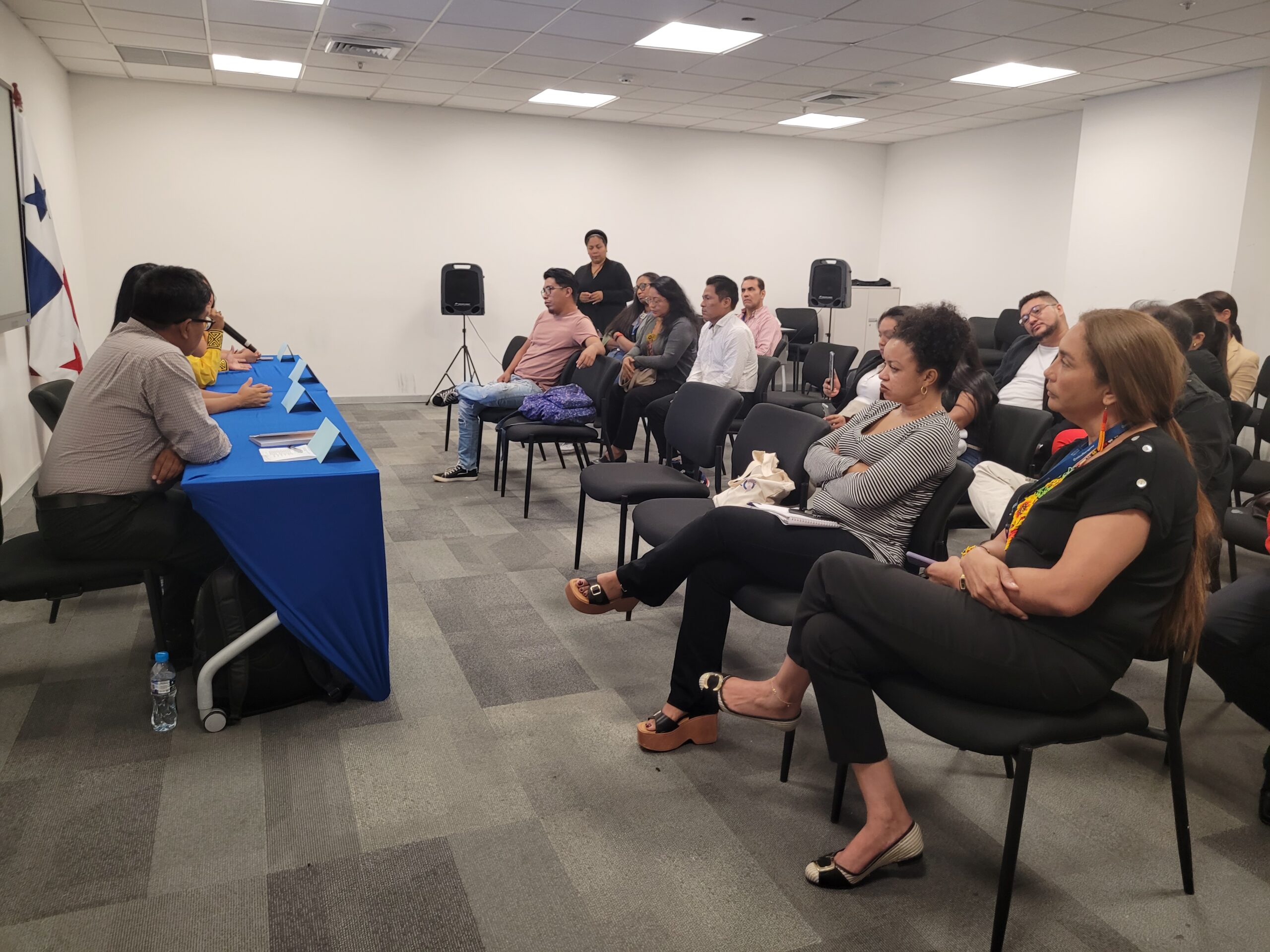
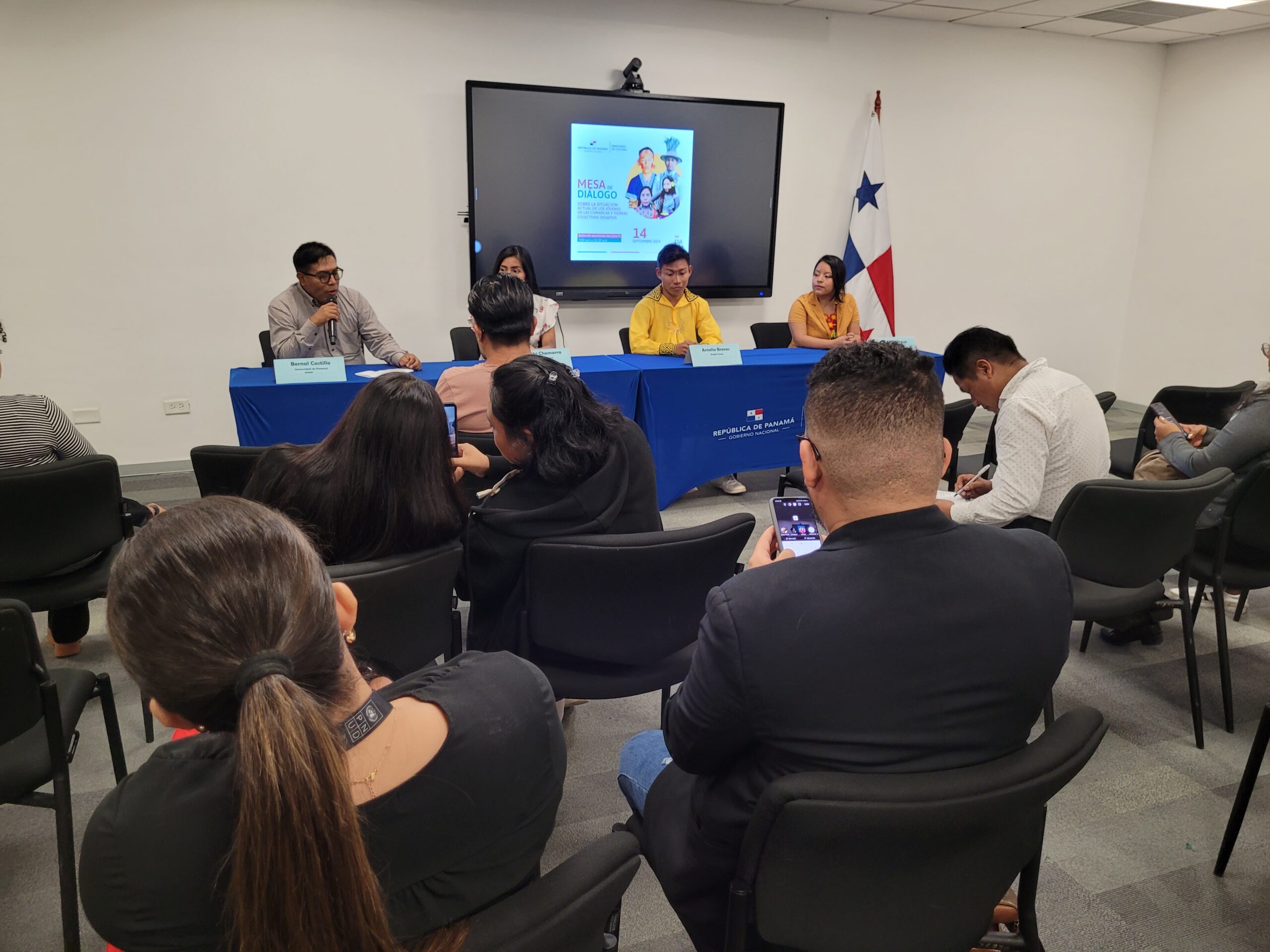
The Ministry of Culture (MiCultura), through the Cultural Rights and Citizenship Section (DDCC), organized a number of events, including workshops, forums and dialogues to discuss with specialists some issues that face our country's indigenous communities.
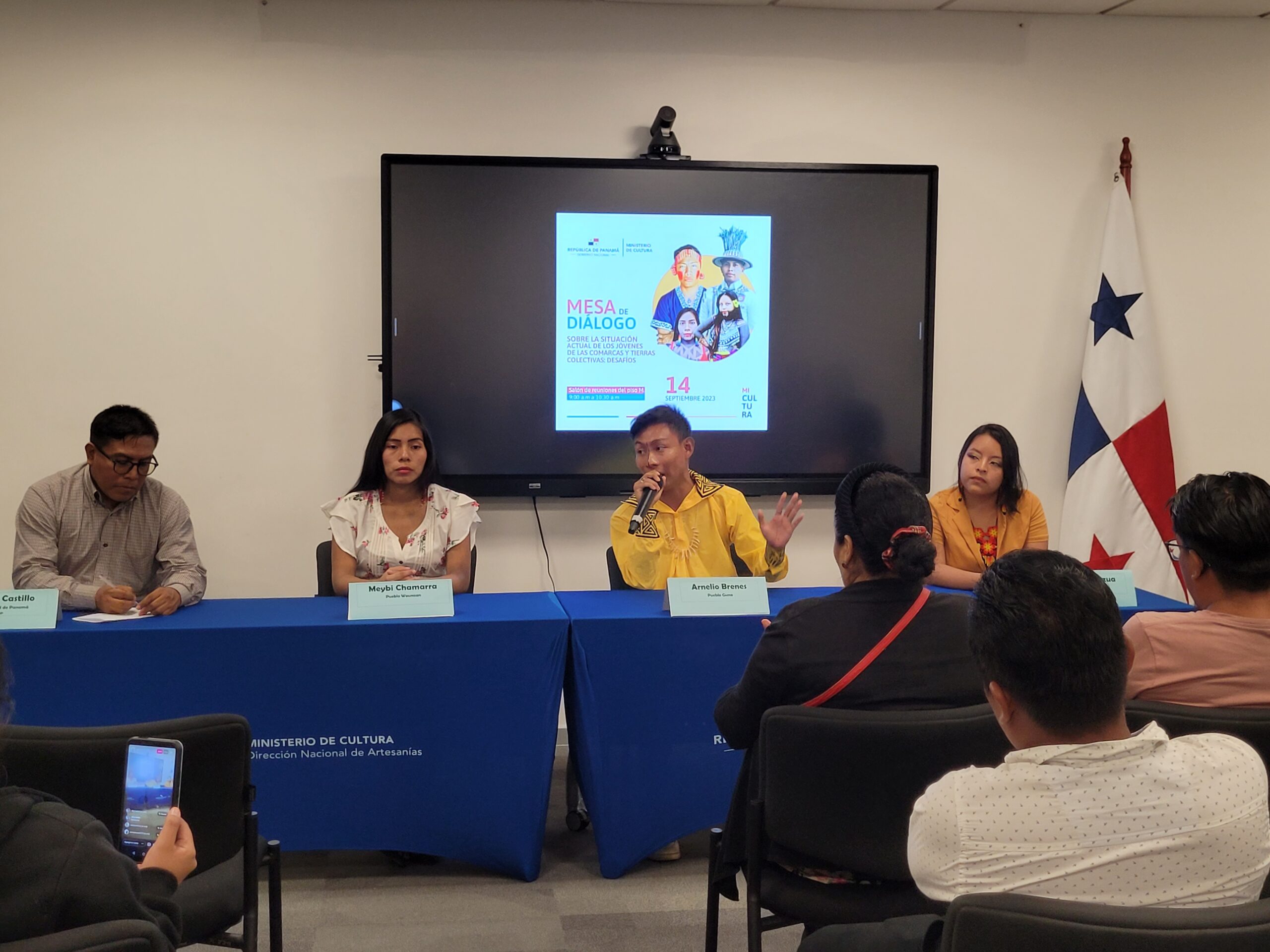
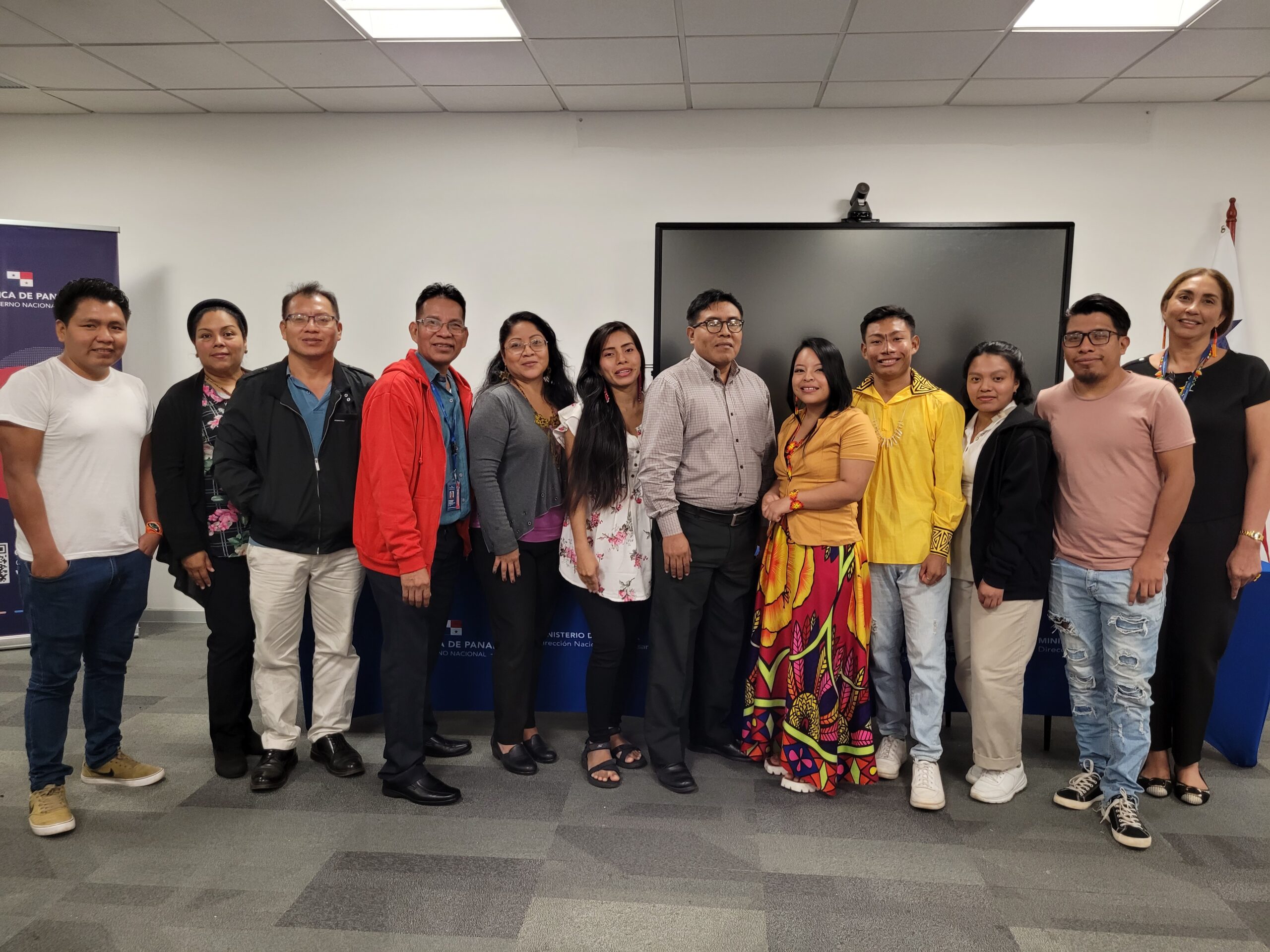
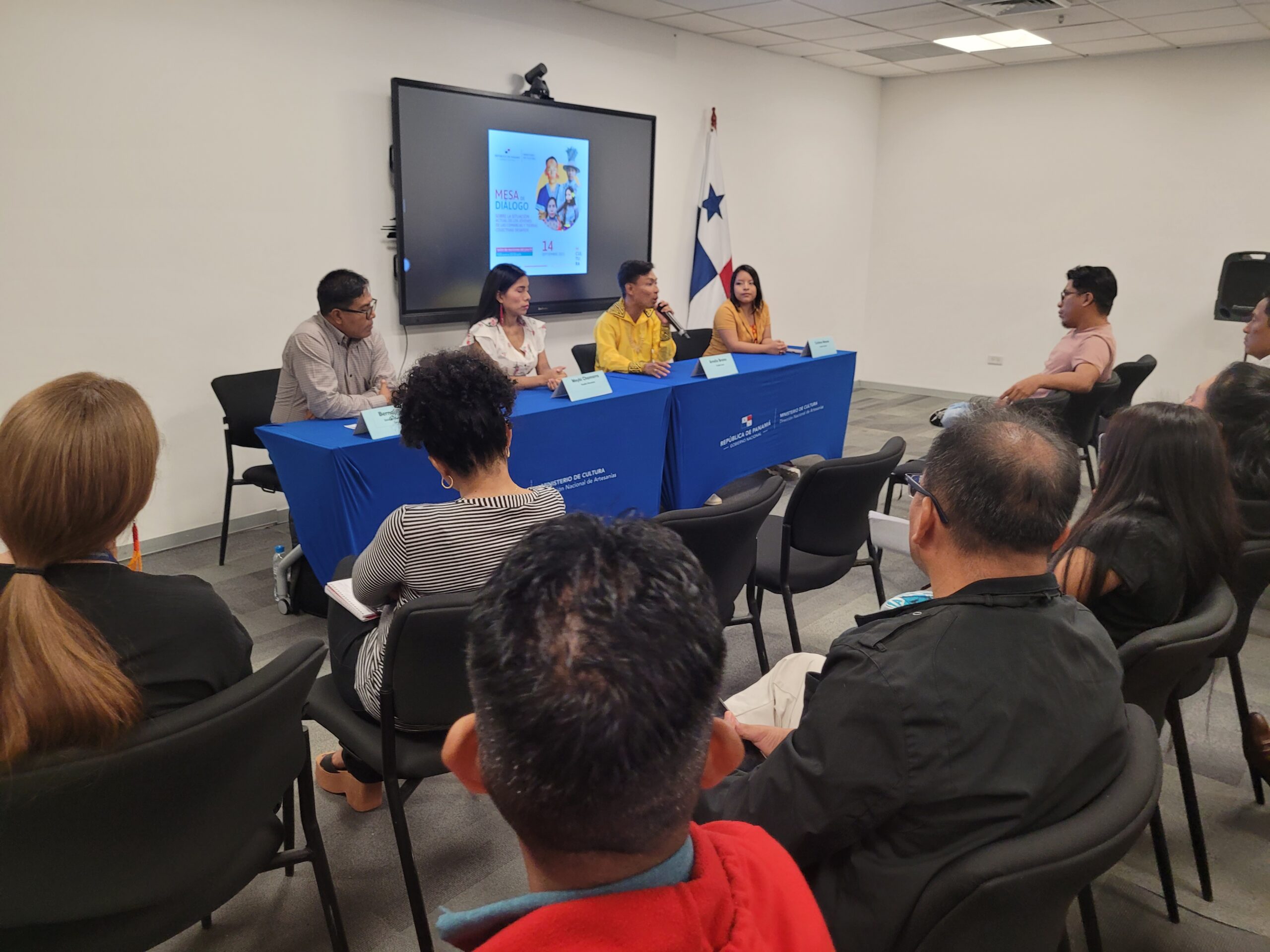
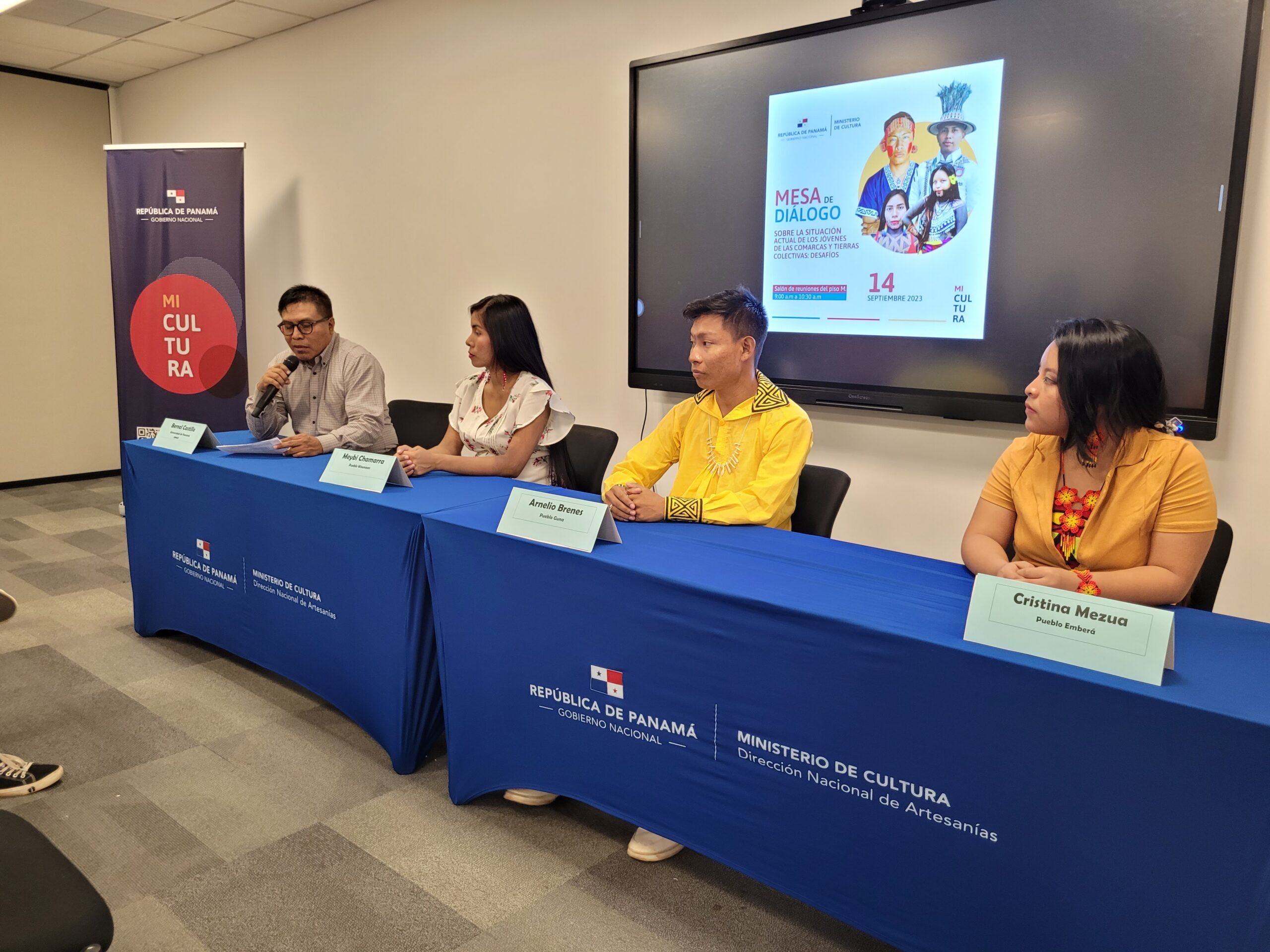
Among these events, Thursday, September 14, was an opportunity to bring together young indigenous leaders from Wounaan, Guna and Embera peoples at a dialogue table to discuss today's youth situation with collective communities and lands, challenges and challenges and how through their actions they have been able to break barriers and familiarize their culture.
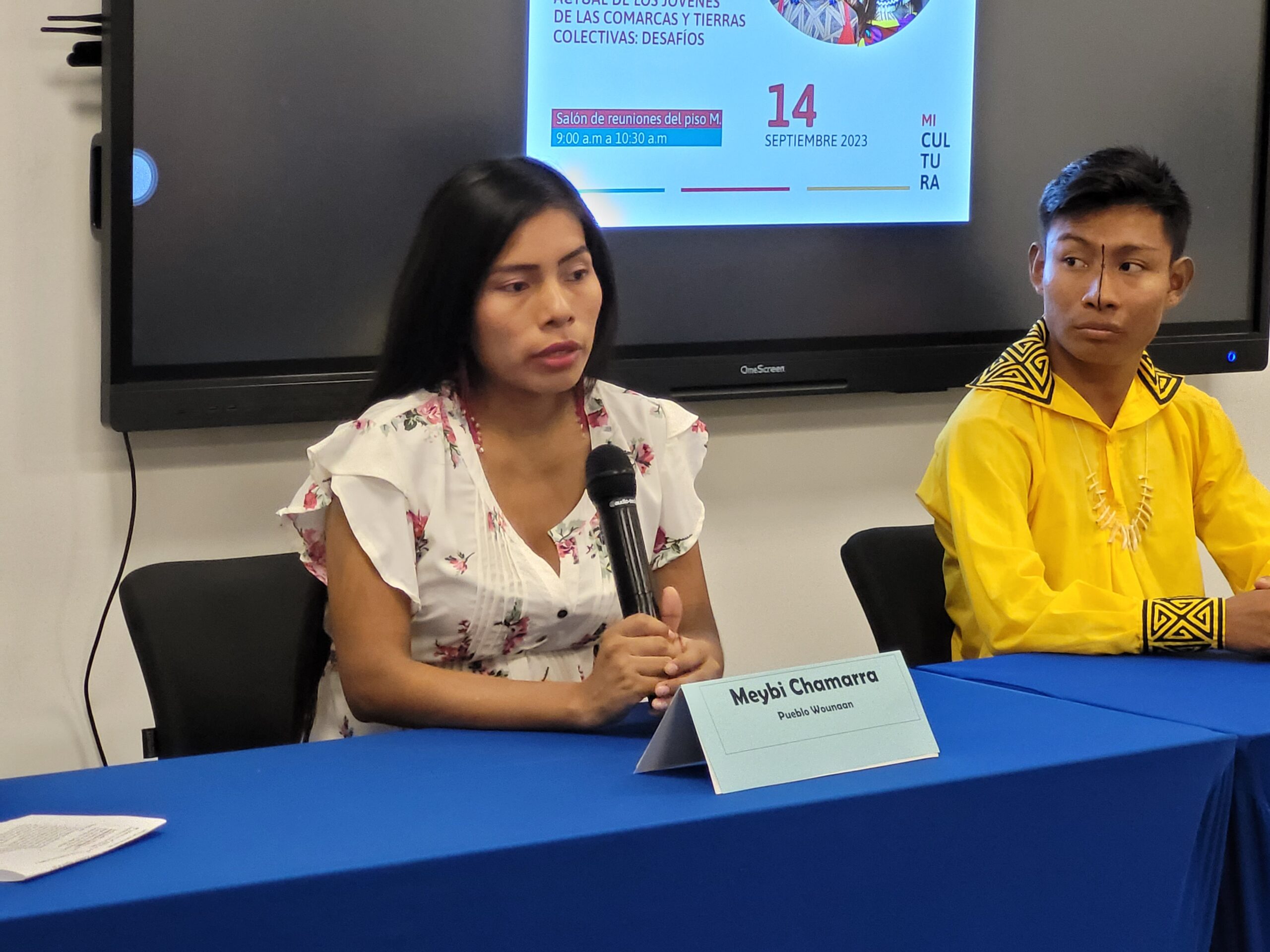
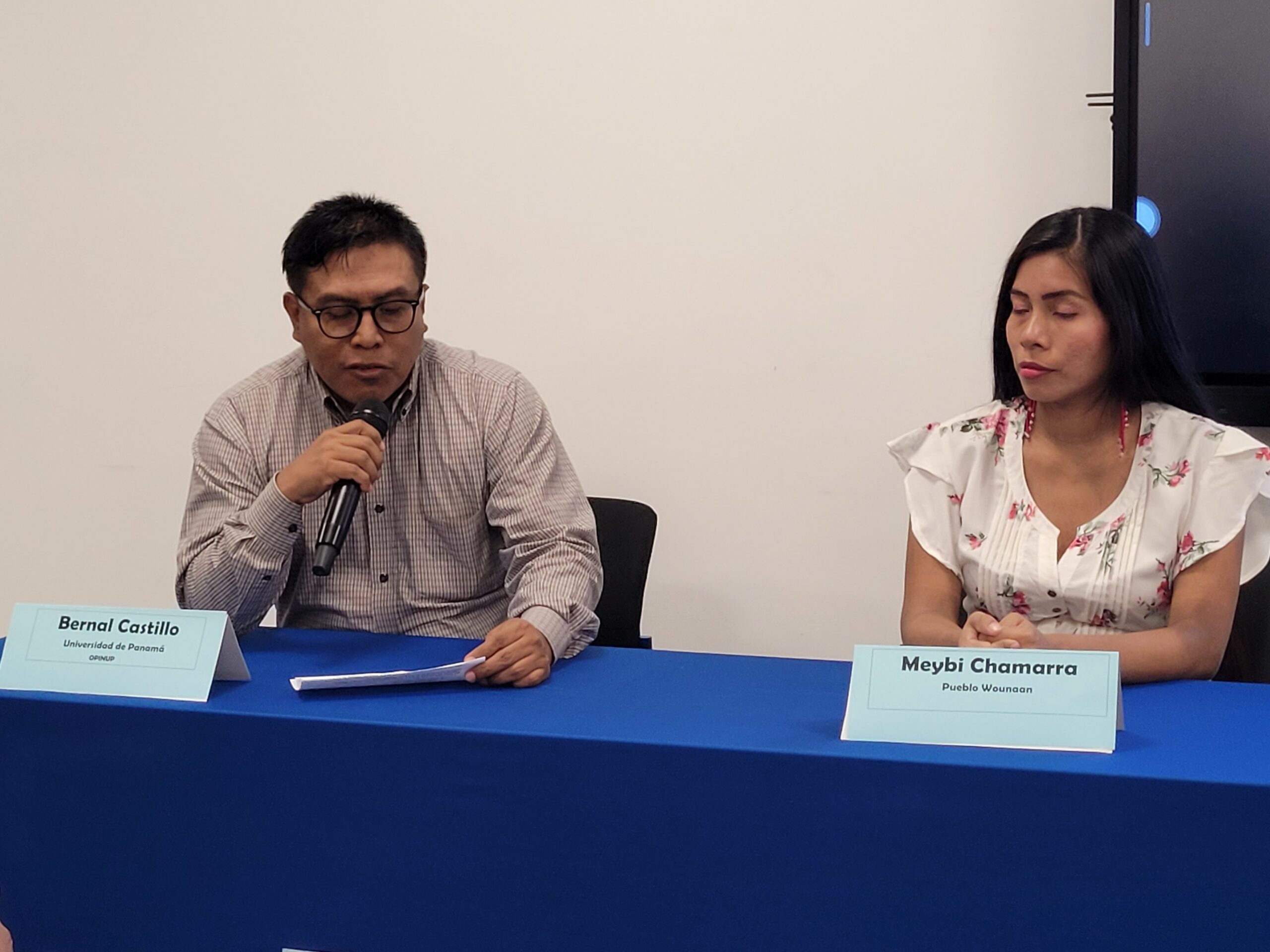
It was a session moderated by Bernal Castillo, an anthropologist and director of the Office of Indigenous Peoples at the University of Panama (OPINUP), with participation of Maybi Chamarra from the Wounaan people, Arnelio Brenes from the Guna people and Cristina Mezua from the Embera people, who addressed a number of issues including intercultural education, inequality, discrimination, displacement and climate change, among others.
The panelists also explained their vision for their communities as well as their projects and projects that they participate in and seek from state agencies to gain access to different benefits and to improve their participation in decision-making for their countries.
To this end, Maiby Chamarra, an educational computer teacher and secretary of the National Wounaan People's Congress, who also as national coordinator of the Counselling Committee of Indigenous Women of Panama (Estados Unidos) explained the actions that have been undertaken in his community "currently young people have an emphasis on monitoring and reforestation projects of native trees, among other conservation projects."
He also emphasized "we will not stop, we will continue to fight for our right and our lands for a better future, seeking improvements for our territory."
For his part, Arnelio Brenes Ferrer, General Secretary of the Association of University Kuna Students (AEKU) and Coordinator of the Network of Indigenous Youth by Abiayala (America) studies a degree in Psychopedics, stated that "the pandemic has opened many doors to organize with schools and schools and with youth to rescue culture and language, where children are especially being worked with with the idea of creating awareness with films and with stories about indigenous revolution, among others.
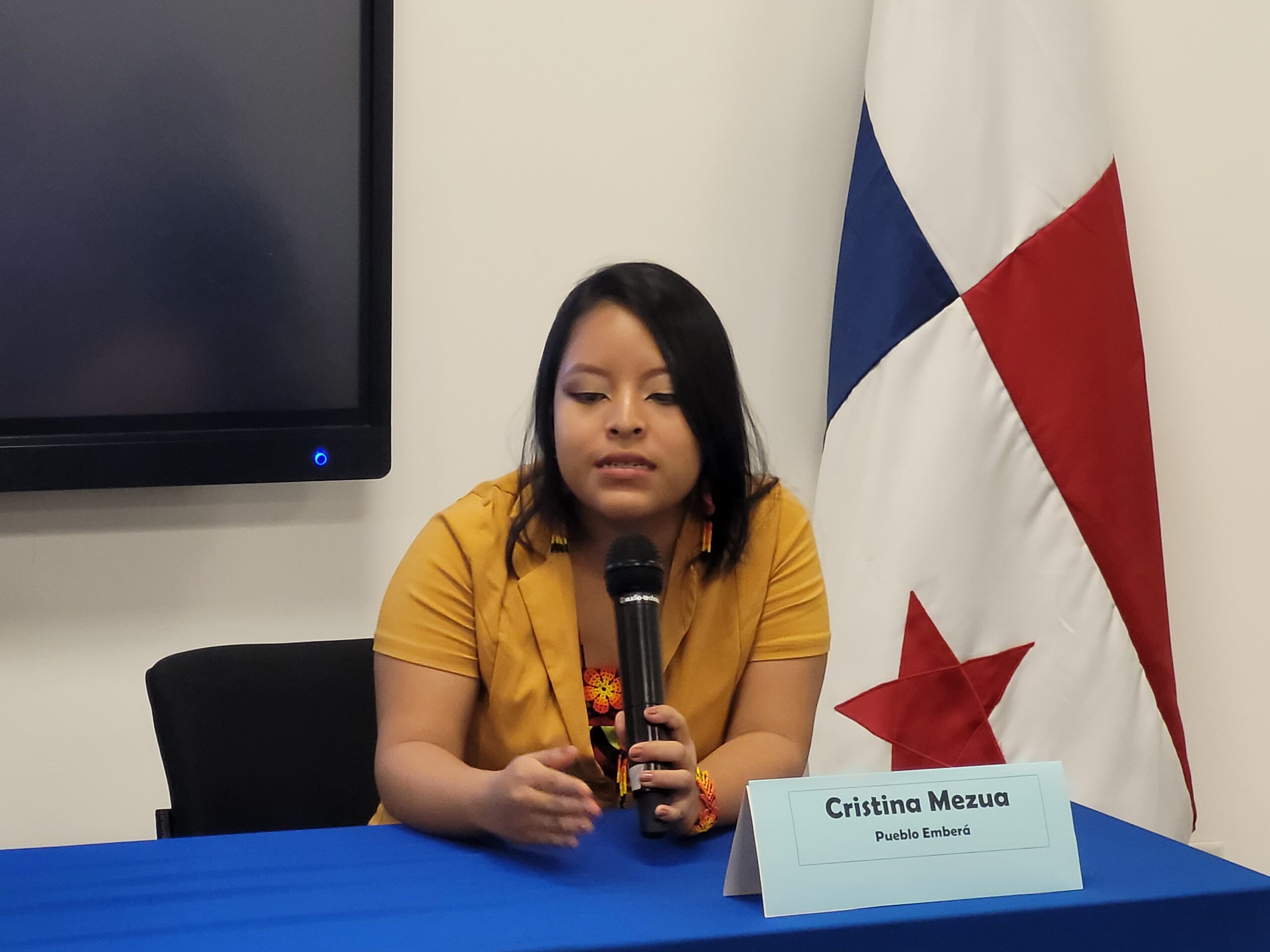
While Chrisitna Mezua Guainora, a student of the Fine Arts race with an emphasis on Teatral Art, studied Fine Arts at Brenau University, Estados Unidos and currently a member of the Association of Students Emberá-Wounaan at the University of Panama stated that she has worked directly in the Kuna Nega community, where an Embera Wounaan population is also focused, with an aim to promote traditional dances, regaining her dressings and others.
Mezua Guainora claims that being an example of leadership is very significant to her as she serves as an example for new generations to be motivated. He says that "young people wish to participate more and contribute to their knowledge, mark a sign that they need more spaces, be visible, and leave a legacy for society.
For Carmen Contreras, coordinator of the Department of Indigenous and Afro-descendant Peoples of the MiCultura DDCC, "The Programme for the Promotion and Strengthening of Indigenous and Afro-descendant Peoples aims, inter alia, to create spaces for intercultural dialogue and reflection, by viewing the reality of the indigenous population and by responding to the recommendations that have been put forward as a means of visiting communities and leading these convertiums with the support of regional councils and by giving these same opportunities to the youth of the communities and collective lands, to express and to know their cultural rights.