< strong > Finates first program workshop for the Safeguarding of Afro-descendant living heritage < / strong >
Content of the News
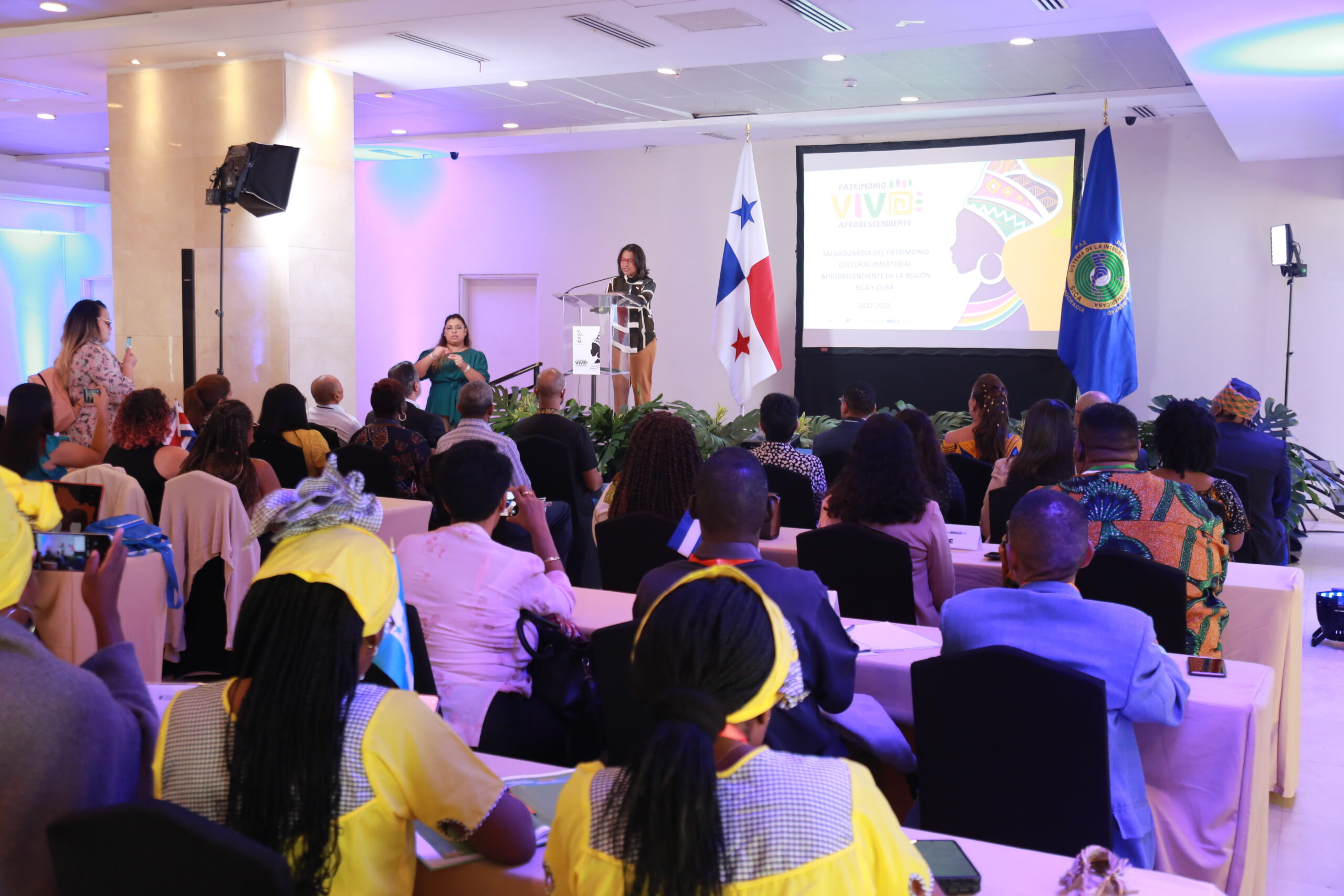
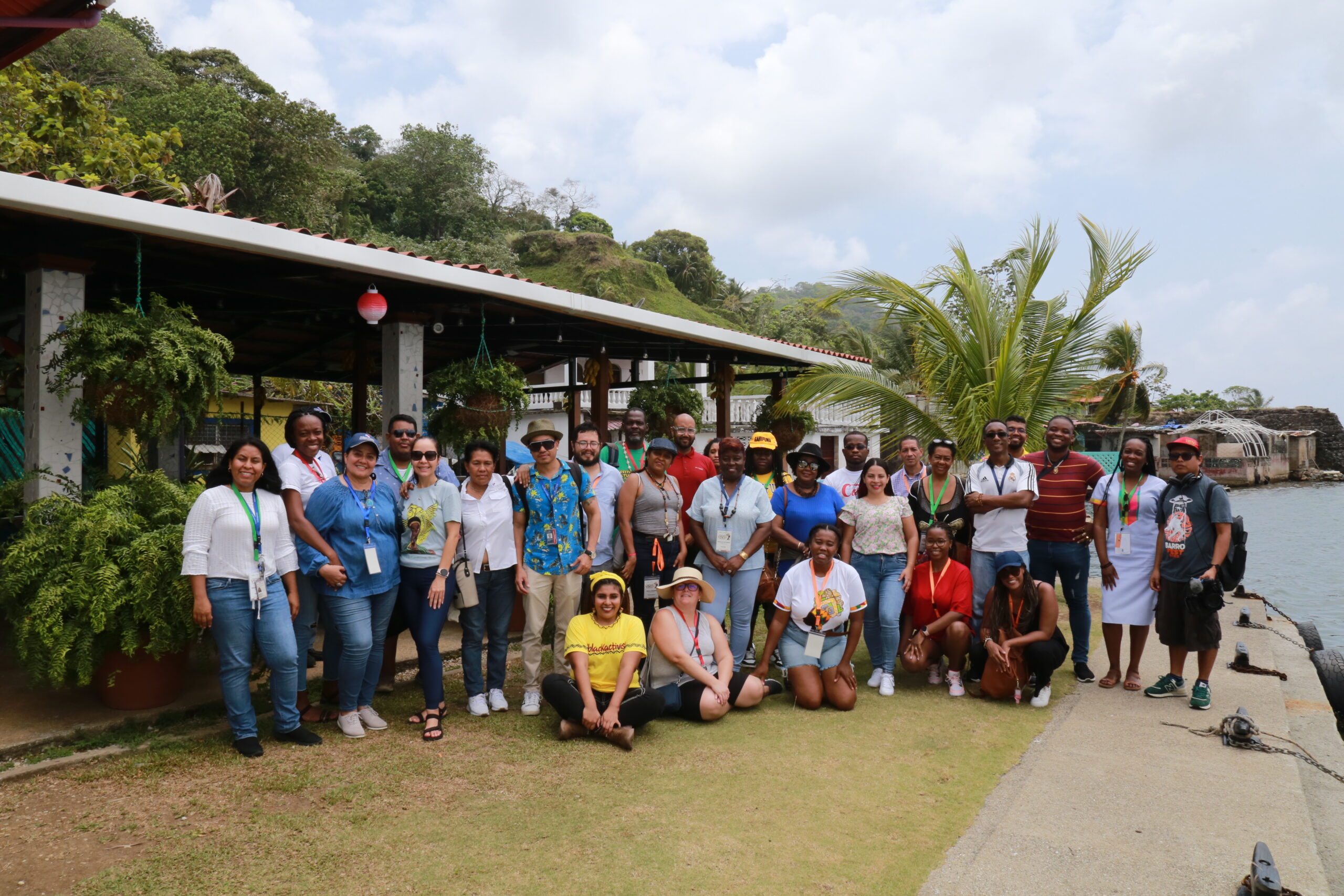
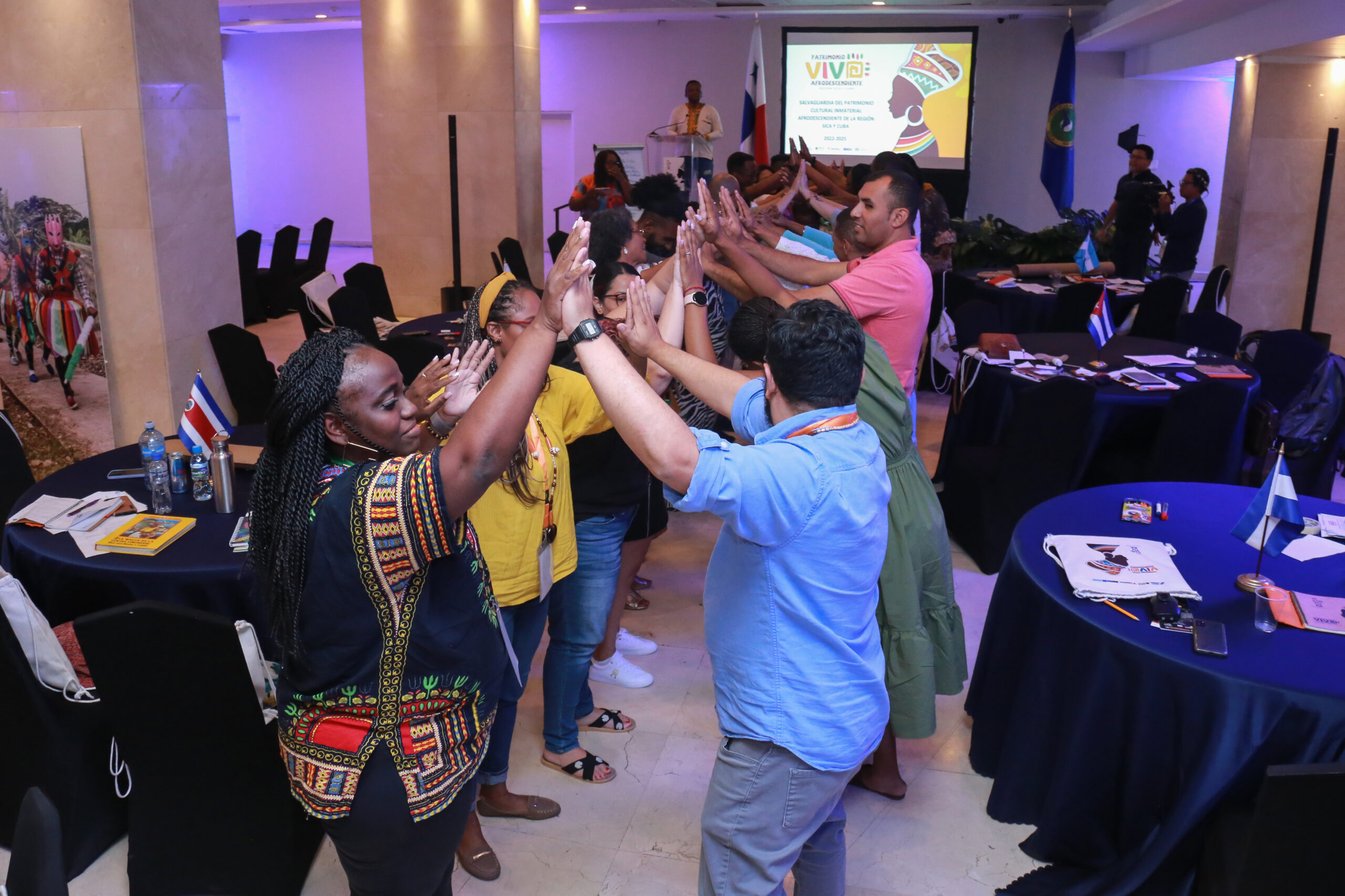
With a commitment to develop capabilities, strategies and safeguard plans that expand the mapping of the Afro-descendant Vive Heritage inventory, more than 30 representatives of cultural ministries and local community bearers completed their first capacity-building workshop to achieve their objectives.
The project was propose and approved by CECC SICA, during the Protempore Chair of Panama and a regional fund of UNESCO for this program has been achieved for the first time with inputs from CECC SICA, CRESPIAL and the Ministry of Culture of Panama (MiCultura) at this stage.
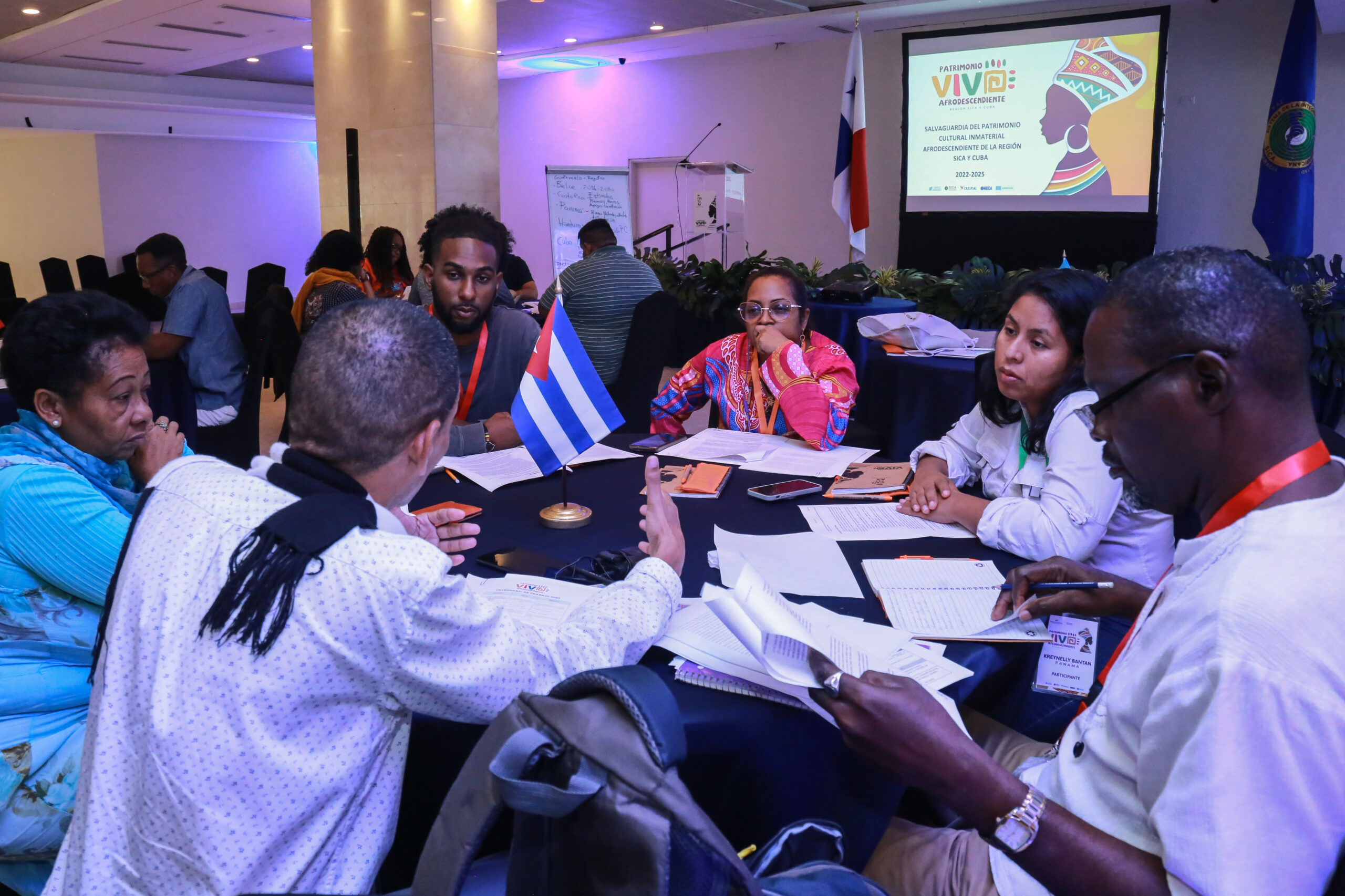
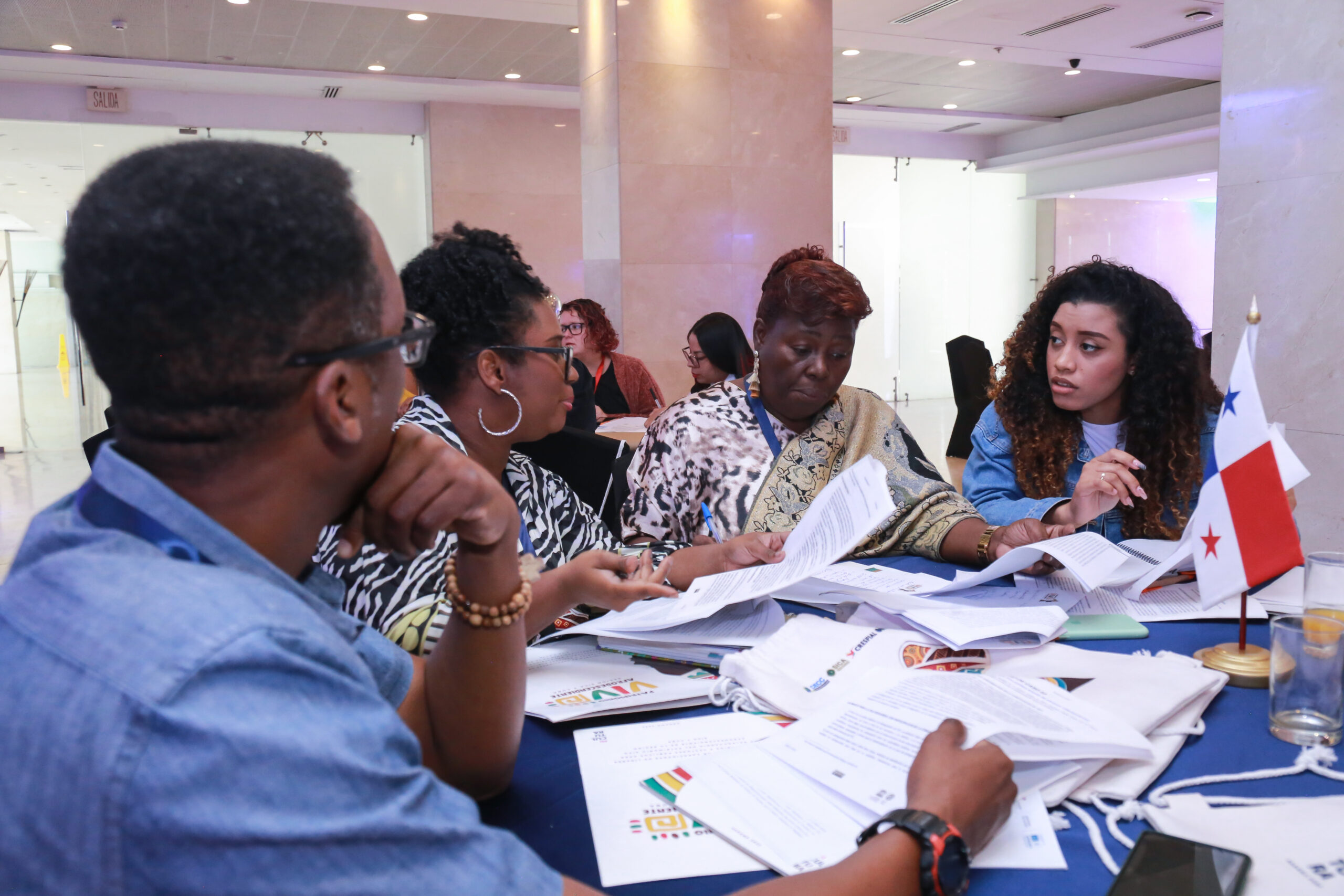
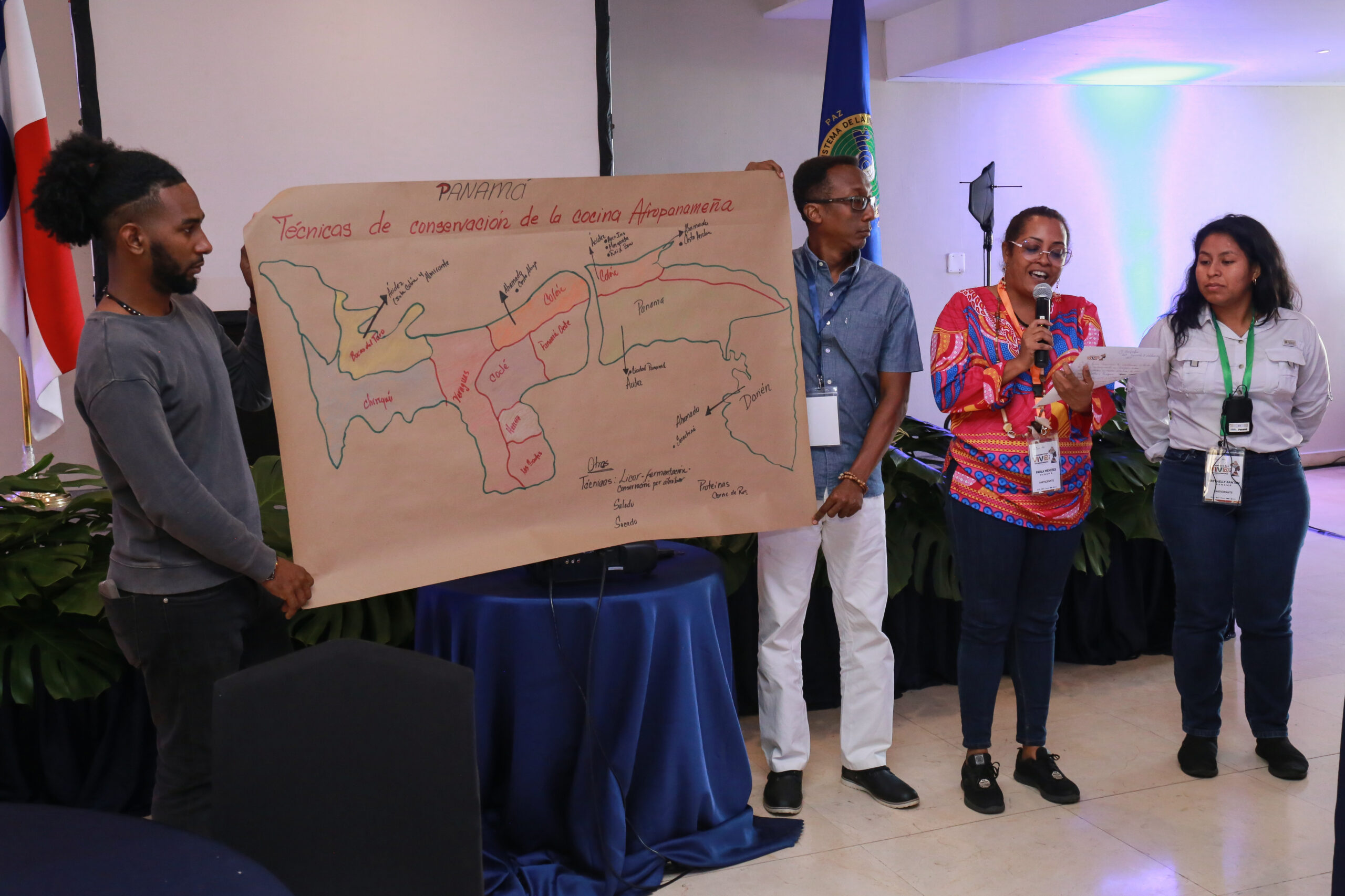
Following five days of group discussions and workshops with themes and realities from each of the participating countries, proposals to strengthen and preserve Afro-descendant culture were also agreed. The delegations of the CECC SICA: Panama, Costa Rica, Nicaragua, Guatemala, Honduras, Belize, Dominican Republic and Cuba as an integrated country will have to conduct tasks and send reports before the next workshop in El Salvador.
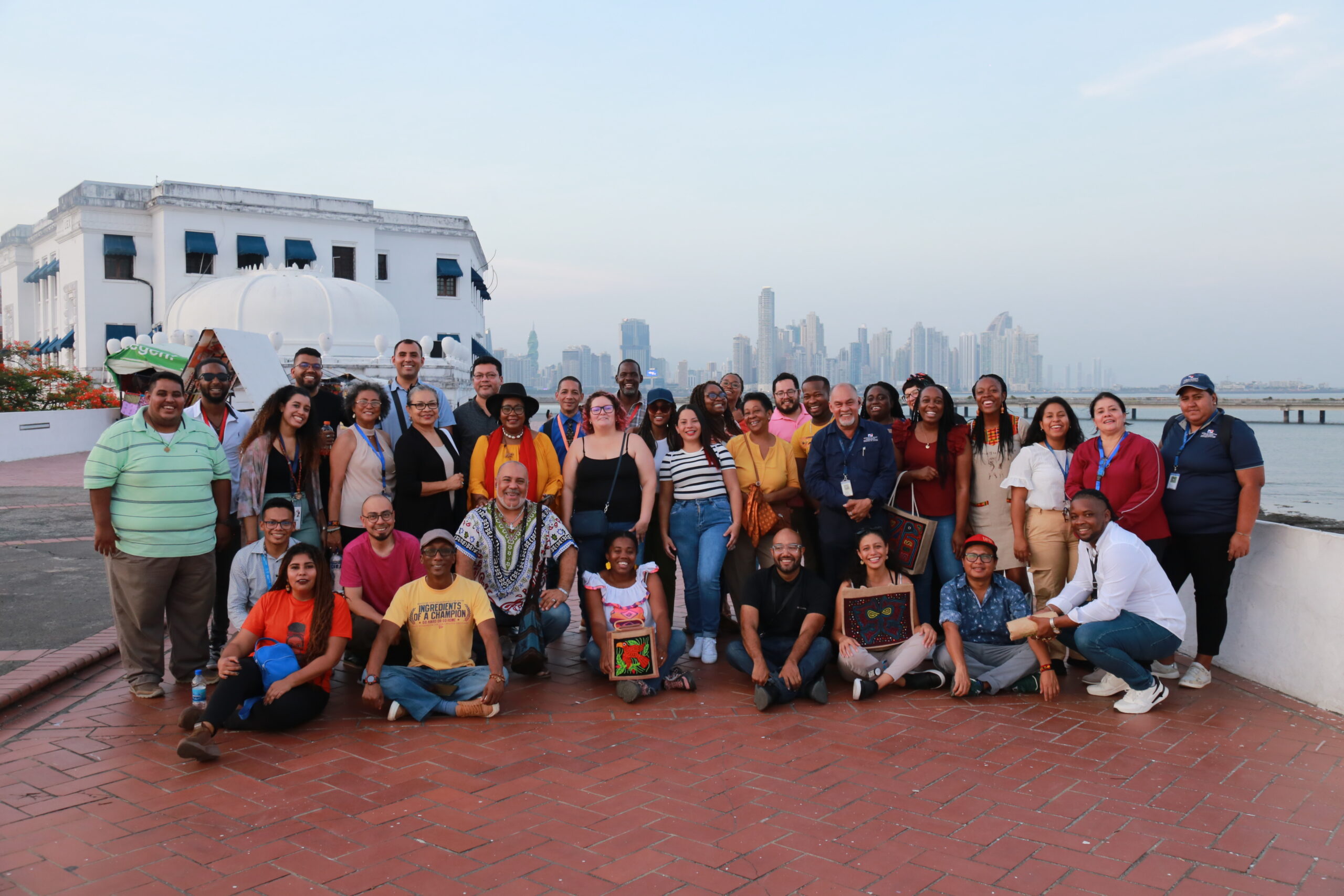
as part of the work program, international visitors had an opportunity to conduct the Casco Antiguo of Panama City. They moved from Herrera's Plaza to St. Joseph's Church, El Arco Chato, France's Plaza, the National Theater and Cathedral among other colonial points, under the guidance of partners of the Casco Antiguo Office (OCA).
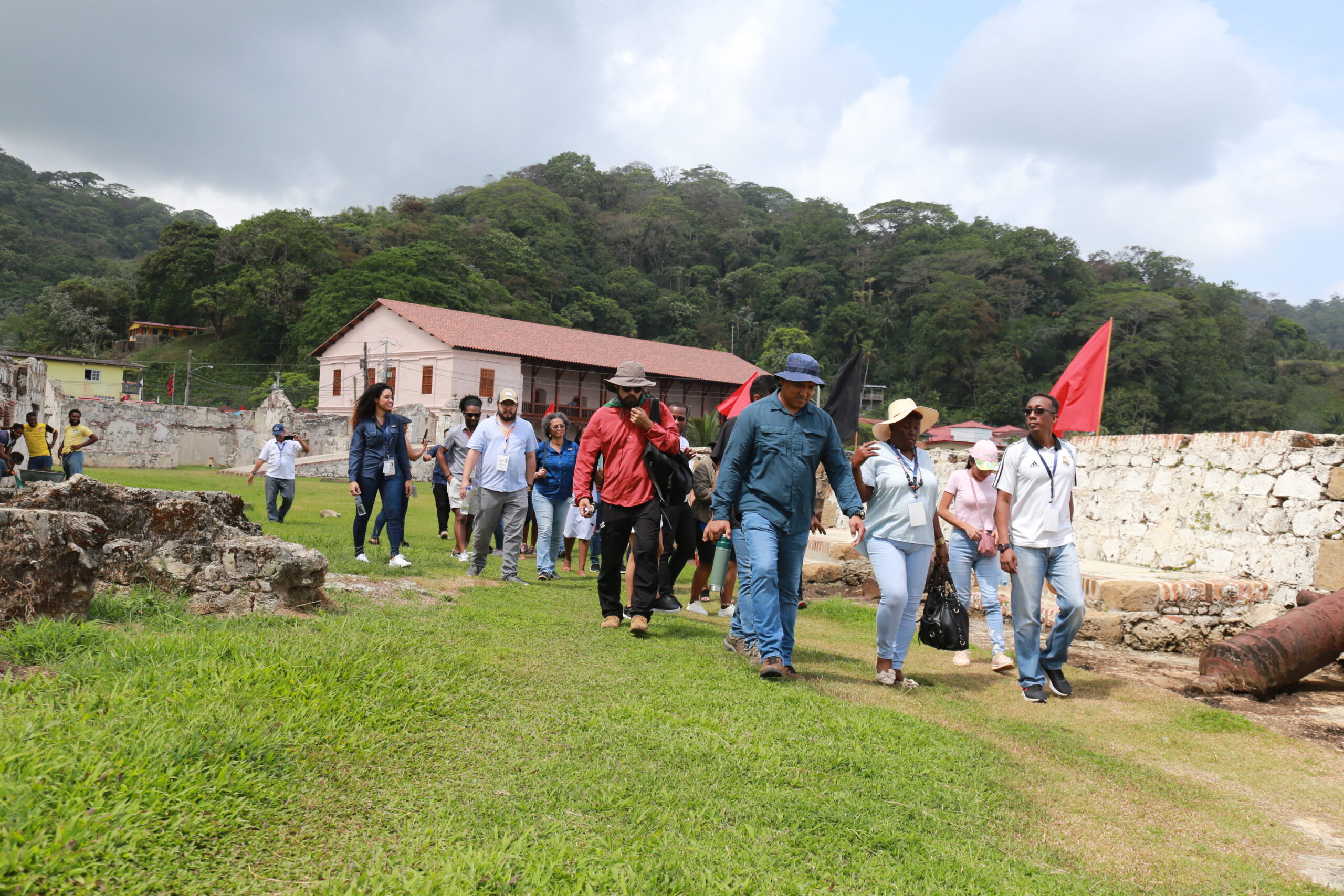
The following day they did a tour of the monumental spaces of the Portobelo District, under the guidance of architects Eustorgio Márquez and Roberto Saavedra, of the Cultural Heritage Board of MiCultura, who explain the history and maintenance and maintenance work of the batteries of Santiago and San Jerónimo, which are part of the monuments declared as World Heritage since the UNESCO World Heritage Convention.
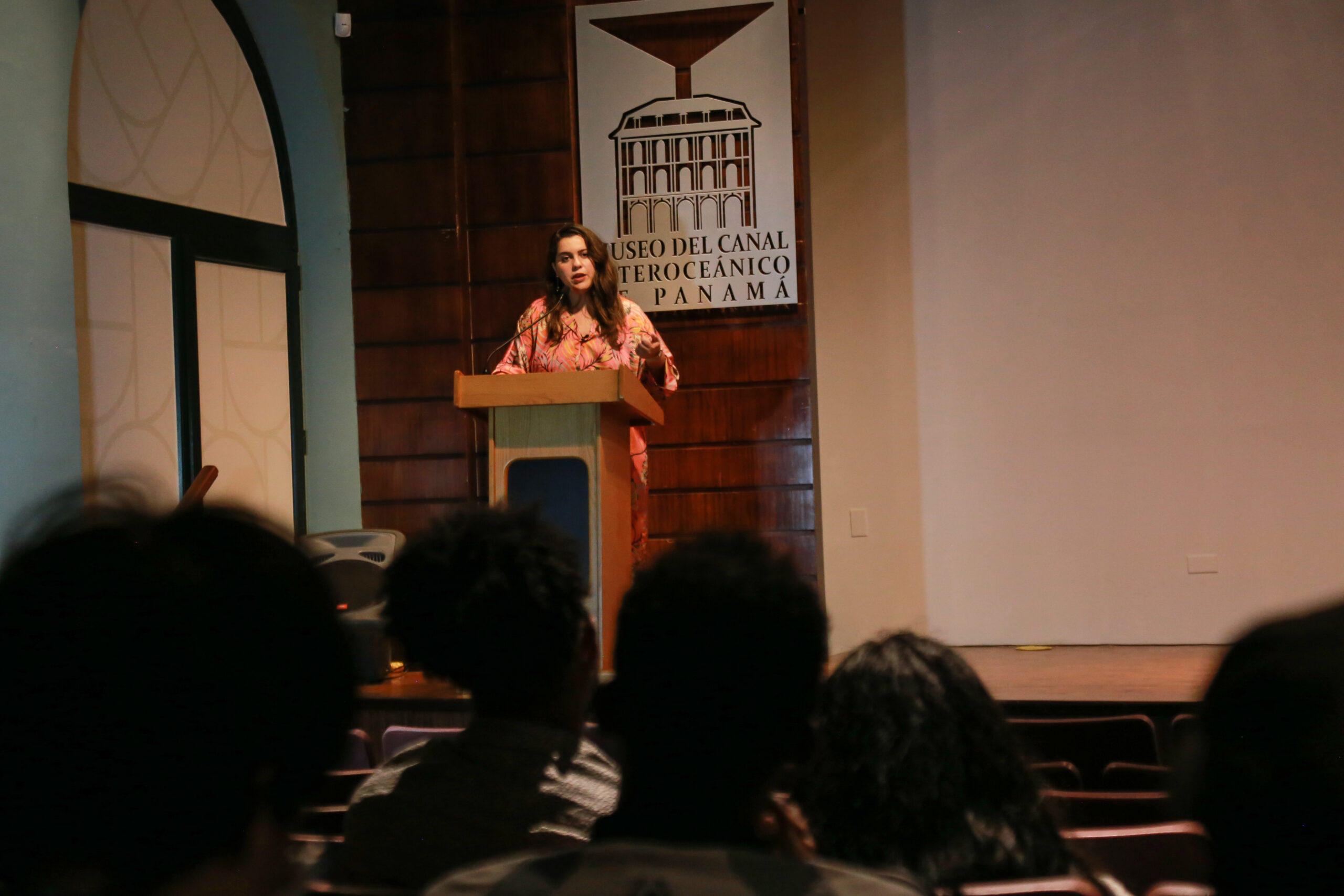
At a special visit, Anne Elizabeth González, director of the Interoceanic Canal Museum, received them that same afternoon with an encouraging message about new inputs with the inclusion of stories from immigrants who worked with the Canal's construction, where they appreciated the documentary "Cimarrю," by Tochi Sakai and "Souma," by Jorge Montenegro.
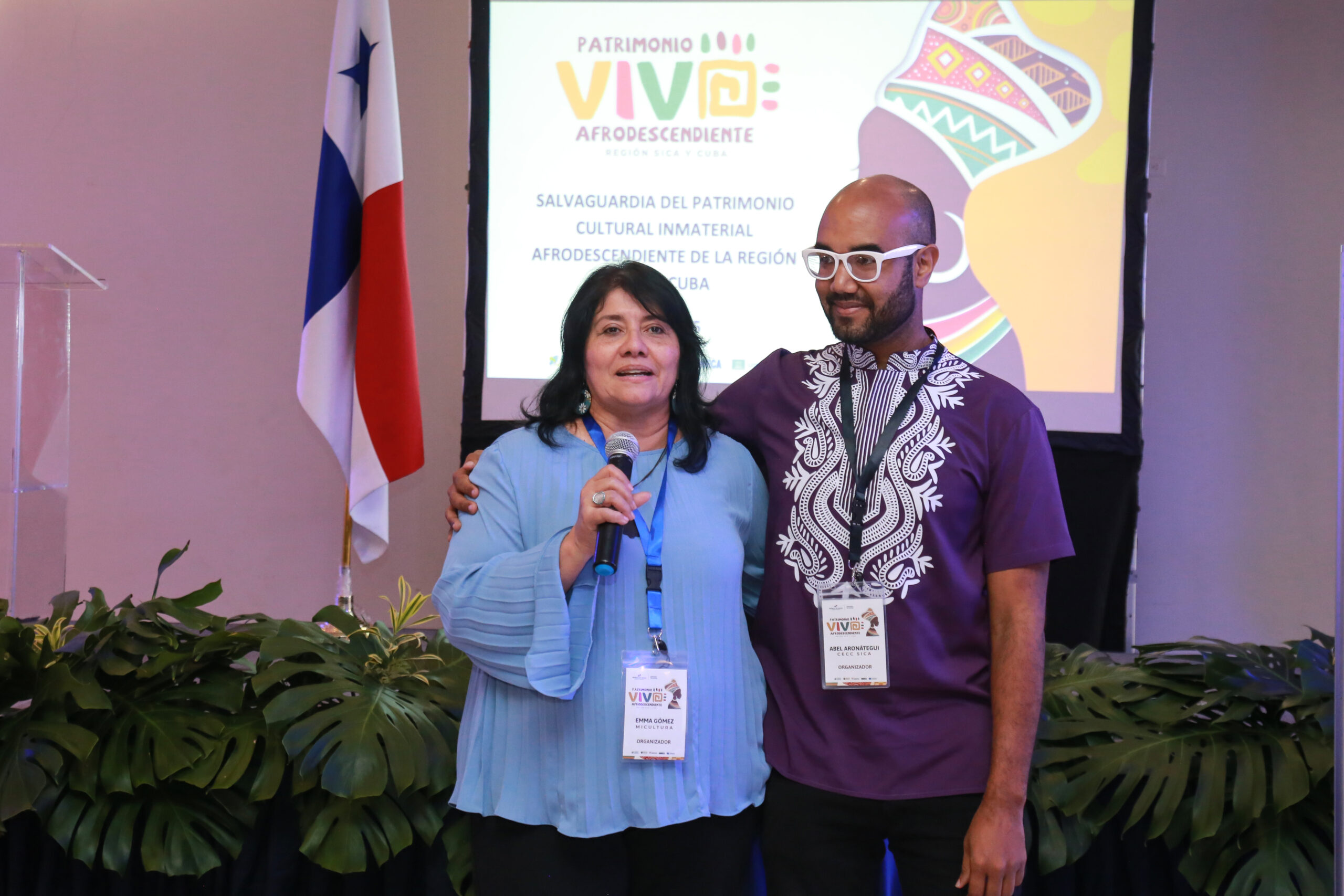
Abel Aronátegui, cultural manager and representative of the Central American Cultural and Educational Coordination (CECC SICA) emphasized that those who were part of this workshop "will return to their committed communities to do the work of visualizing the inmaterial cultural traditions and expressions that our peoples have."
During the week, international delegates, where Panama was also represented with three delegates and five representatives of institutions and organisations (Senadap, Gurubata, Samaap, graduates of the UP), received tools to enhance their capacities with regard to public policies, community participation, measures and tools focused on protecting the Intangible Cultural Heritage.
For his part, Leonel Góndola of the Social Secretariat of the Central American Black Organization (ONECA), who was part of the workshop's facilitators, shared knowledge about community participation: "Once participants have returned to their communities they will have to promote economic, social and cultural development plans so that the community will be sustainable with their heritage."
"The most important commitment is that participants will have a responsibility to make a map or an identification of best practices that exist in their communities to protect their expressions, their cultural manifestations, that will be shared at the next workshops in El Salvador and Guatemala," stated Aronátegui.
While Góndola argued that "communities have to understand their historic value, their heritage, to understand that we are part of a culture that has dance, dance and meals, therefore, community participation within the intangible cultural heritage is to encourage these communities to preserve their manifestations, their culture and their inclusion in an educational curriculum that can be passed on to our children."
The event closed with a dinner with co-facilitators Marco Antonio Ramirez, David Gómez, Project Coordinator and Oihane De Gana from Crespial, and they urged participants to share a reflection about the results of the workshop. The delegates appreciated the opportunity, knowledge and new links between friends from different countries and thanked Minister Giselle González, the work team of Intangible Cultural Heritage, all other teams of the ministry, MiCultura's management and the institutions invited for all the care they have received.
That day culminated with closing messages from the organizers, collection of gifts, joy and touch of group tancube at the Afro rhythm of the raisao, bad congo drum and zaracund.