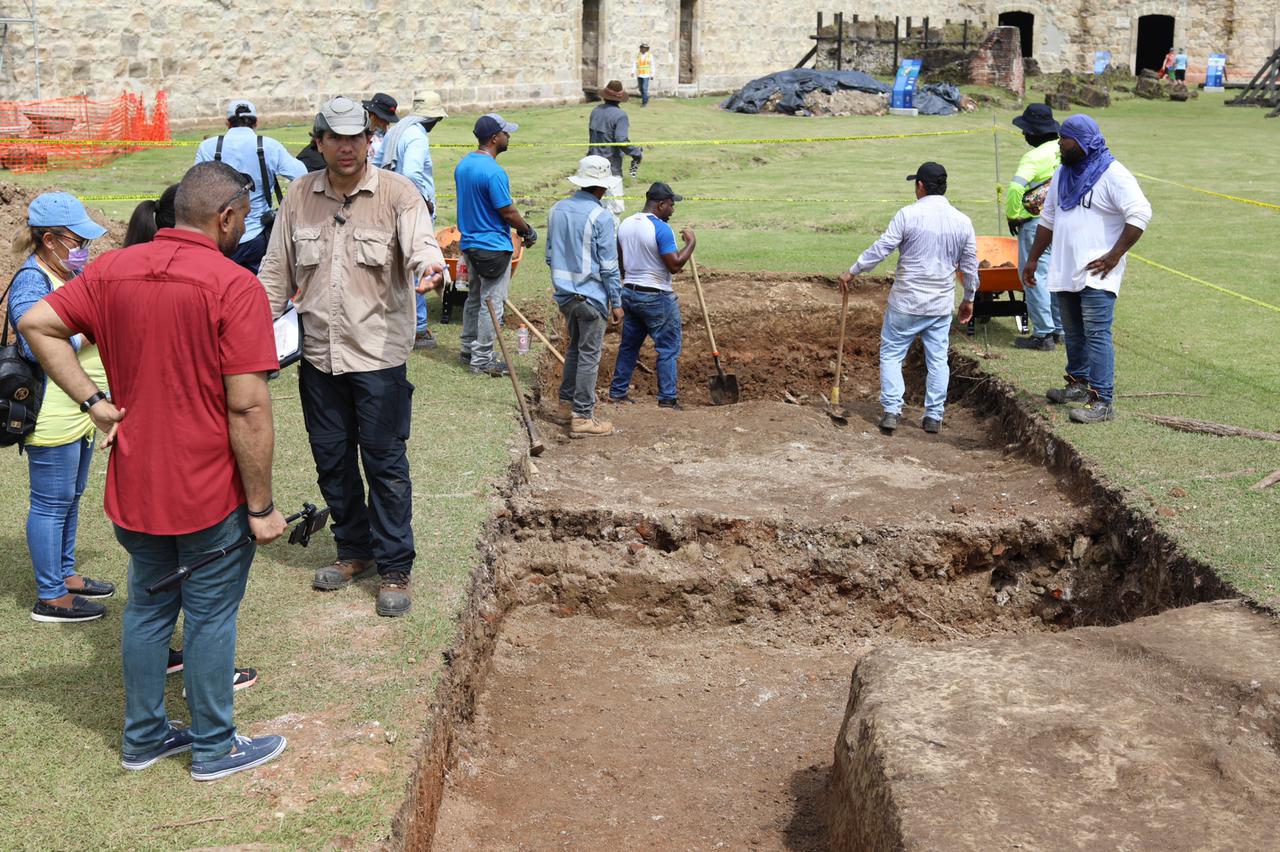
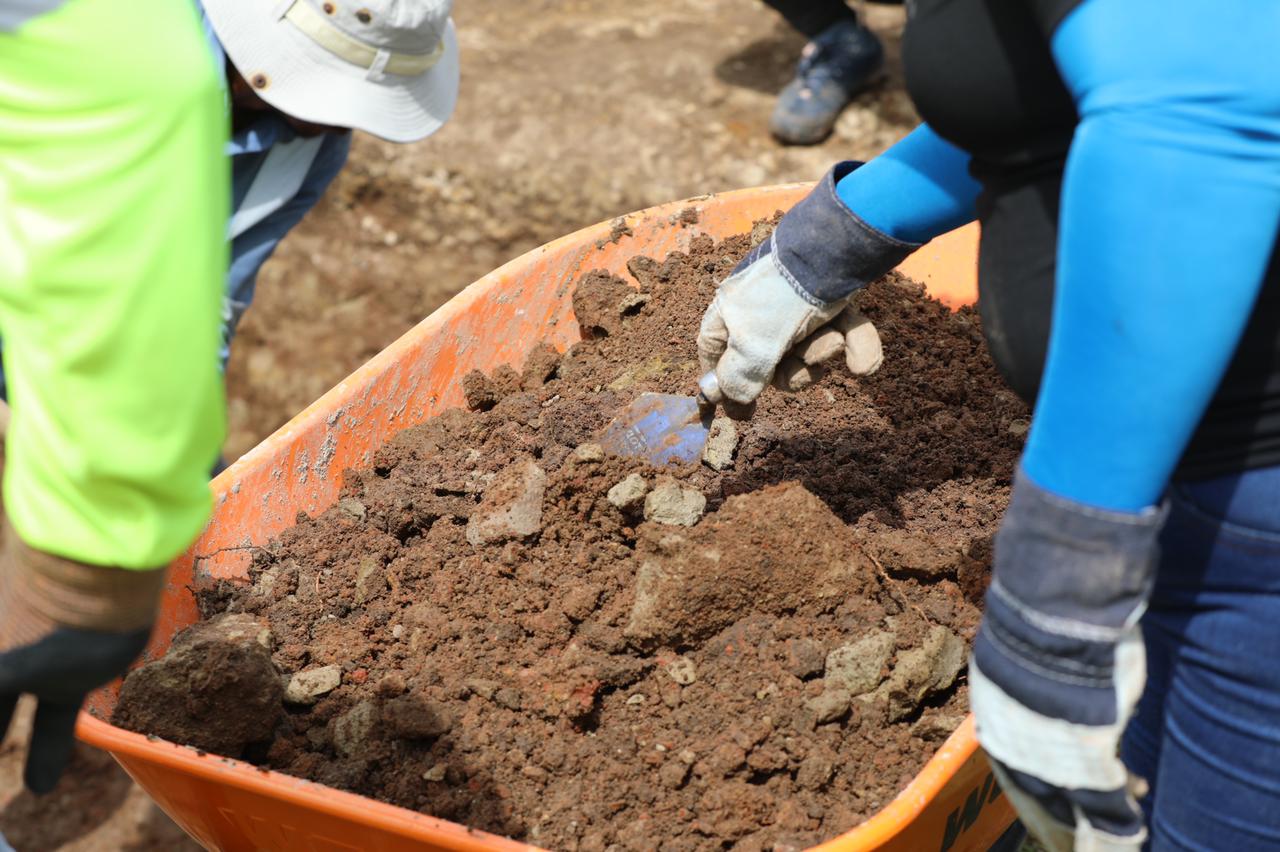
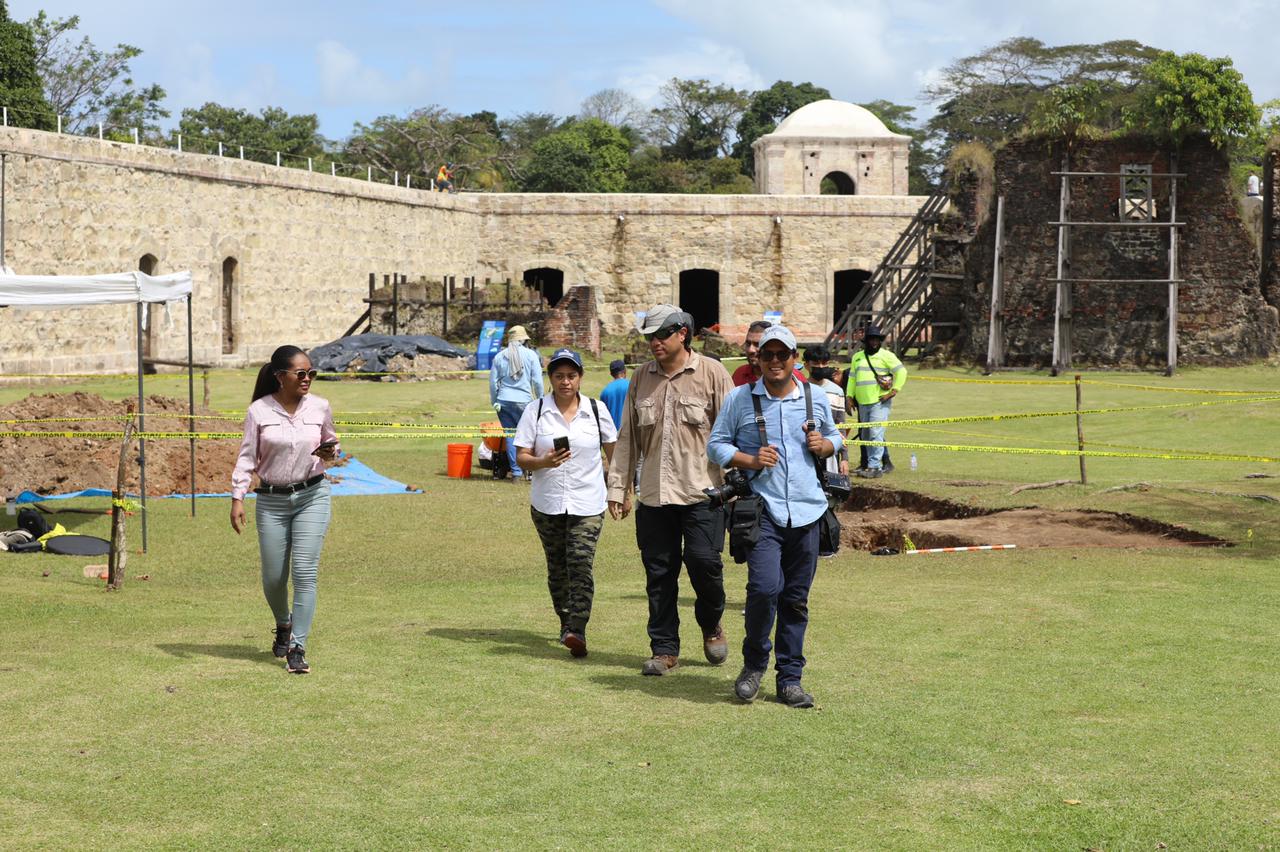
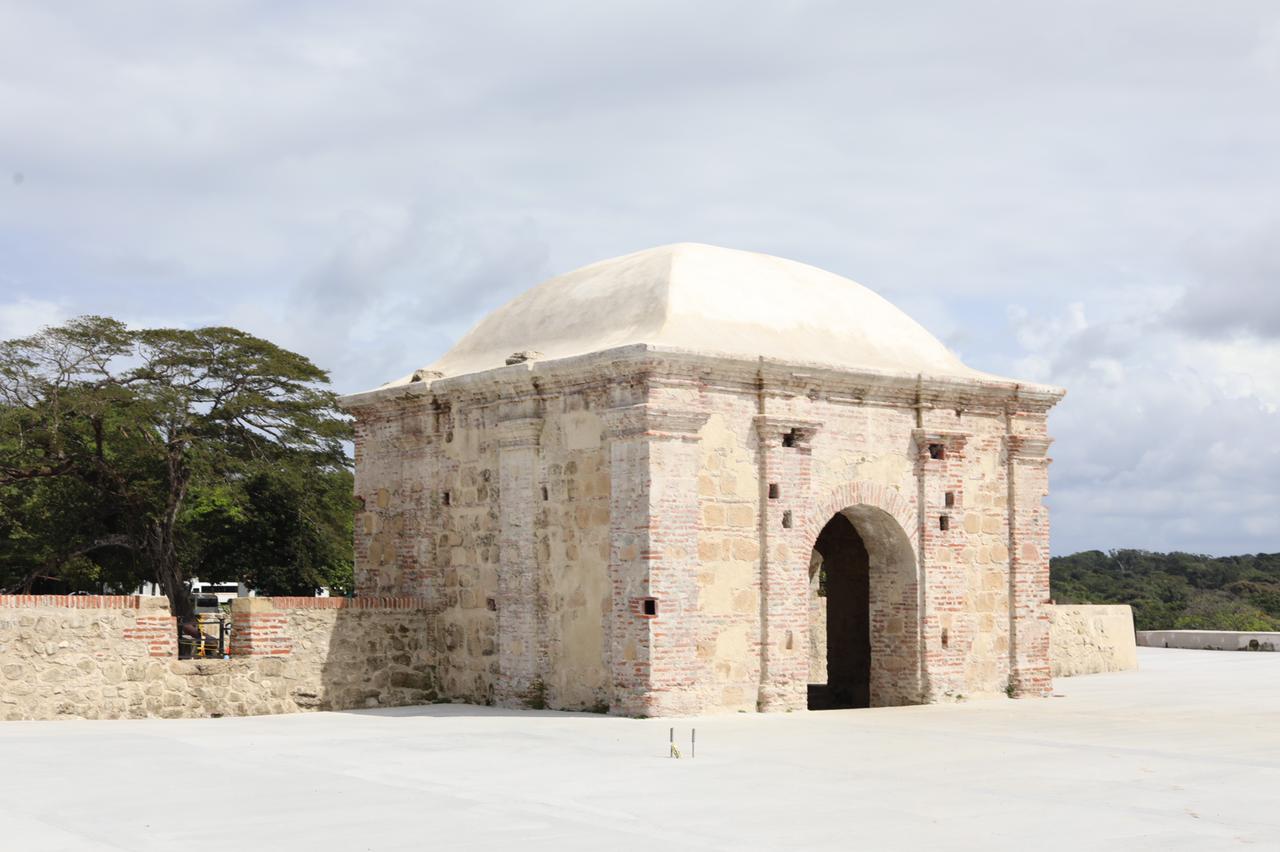
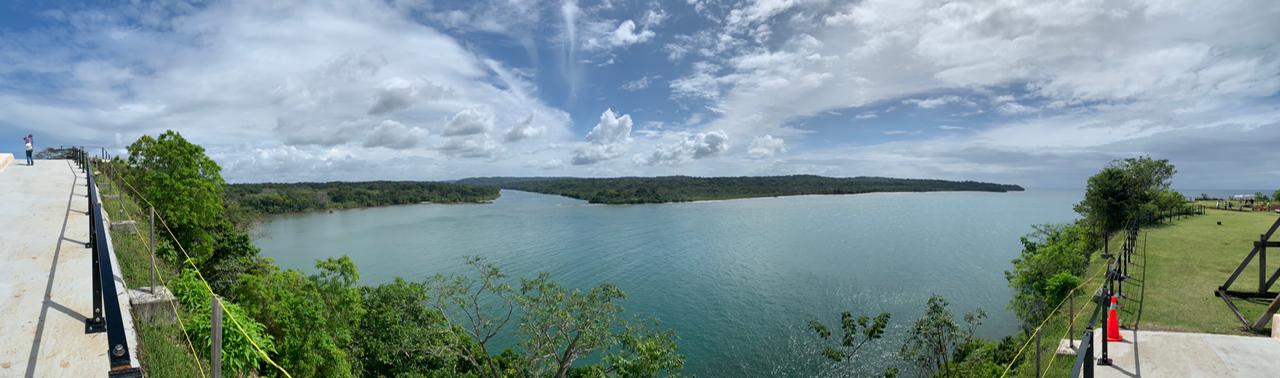
The Centre for Anthropological and Cultural Historical Research (CIHAC AIP), a new research centre with two years of association with the Ministry of Culture, initiated excavations at the San Lorenzo fort, where they are making discoveries with high historical and archaeological value.
The project is led by Dr. Tomas Mendizábal, an archaeologist, who is a plant researcher at CIHAC AIP and who has the responsibility to conduct the excavations and research about the remains of one of the pits and pits of the castle of San Lorenzo built by Don Antonio Fernández de Córdoba in 1672, in response to the destruction of the castle earlier year by Henry Morgan.
These remains are carved into the natural mother rock of the cliff and remains of what have been tentatively identified as the church of the town of Chagres in the second half of the century.
CIHAC AIP is governed by a legal regime that the National Secretariat for Science and Technology (SENACYT) uses for its research centers, an Association of Public Interest, meaning that its research are considered by the executive body of national interest.
That project of excavations just started this Monday but it's already showing these important findings and expects to continue to discover the rest of the lights and confirm if it's really about the church of the town of Chagres as well as to find other remains of this missing town, that was so important to our history.
That project is an inter-institutional and international project with collaboration from researchers from other institutions such as the University of Technology of Panama, the University of North Barranquilla, the Canal Museum and the University of Panama. The project is financed through SENACYT funds that CIHAC AIP earned at the latest call for research projects launched by the National Secretary of Science.
According to Dr Marixa Lasso, director of CIHAC AIP "these research if they can be done in Panama, directed by Panamanian and Panamanian institutions when they are given the institutional support required and that's what CIHAC AIP's doing."