Machine translation. This content was automatically translated from Spanish. The Spanish version is the only official one: for all legal purposes, and in the event of any discrepancy, the original Spanish text prevails. View the official Spanish version

Back to blog

Crafts prepare for their first co-operative
Crafts prepare for their first co-operative

Content of the News

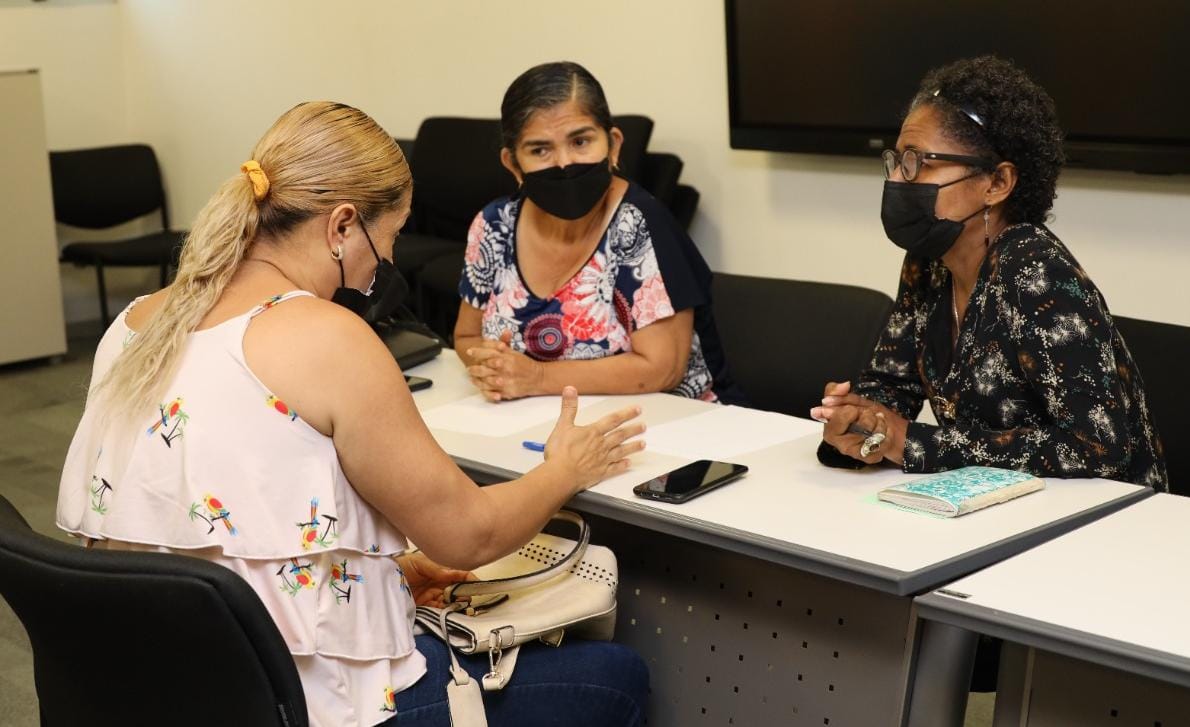
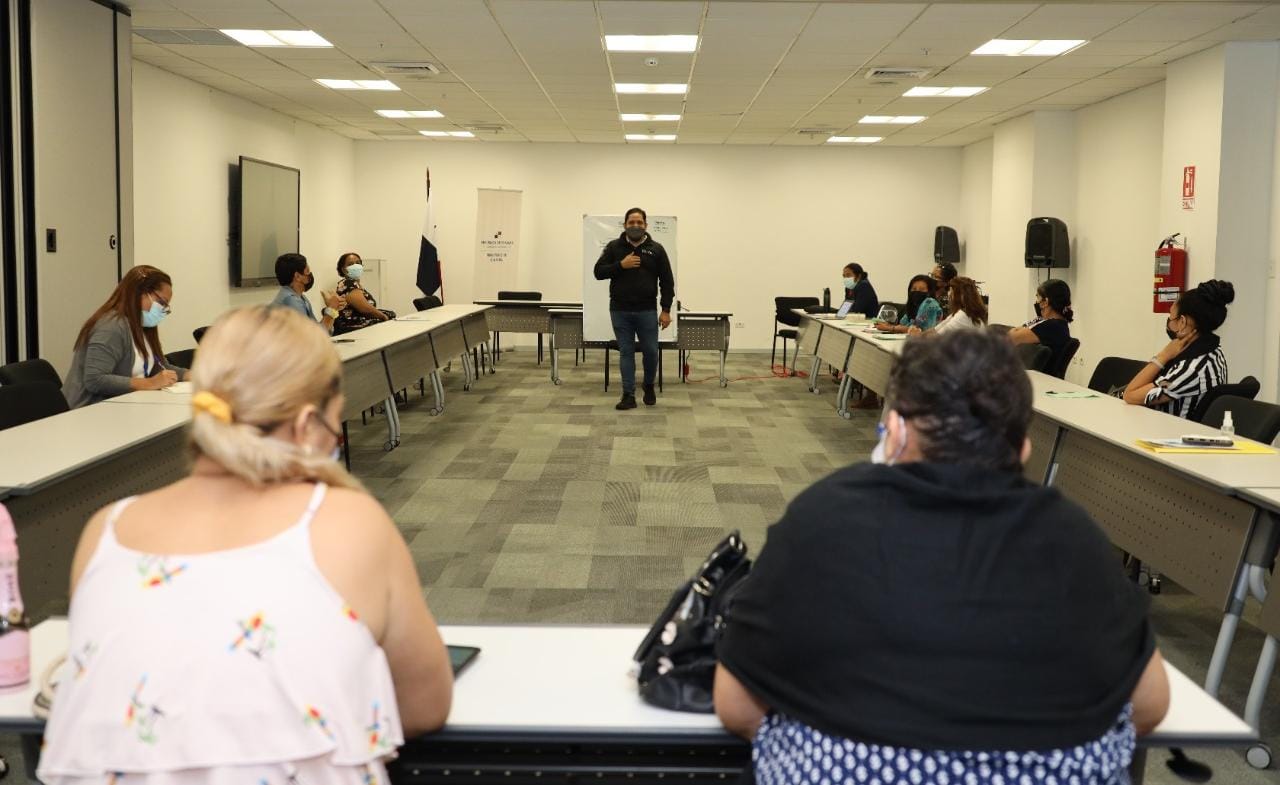
The Ministry of Culture (MiCultura), through the National Handicrafts Directorate and with the Panamanian Cooperative Institute (IPACOOP), conduct several training sessions for training more than thirty-five entrepreneurs with the aim of creating the first co-operative of artisan registered at MiCultura.

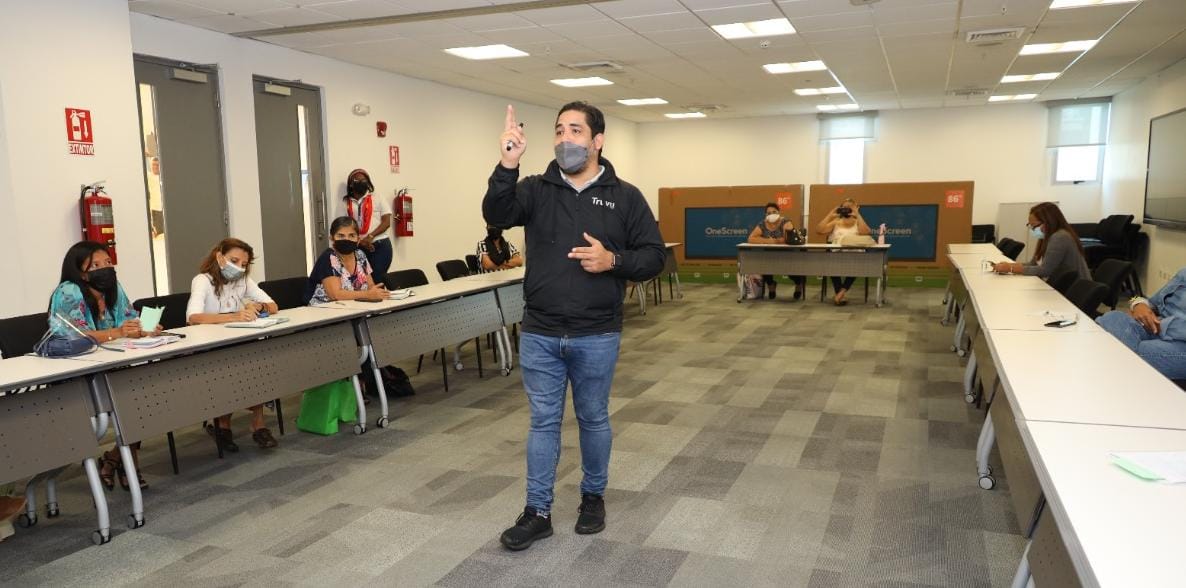
At this first stage, the agencies work together to promote this partnership with talks directed by IPACOOP personnel, with the facilitators of this meeting Ilka Timana and Alexander Gomez who, in two days, trained entrepreneurs on issues such as: business ideas, marketing, organisation and training of cooperatives, among other issues.

During the meetings the artisan have learned about the principle of cooperativism as it becomes a tool for the socio-economic development of each activity, management of businesses and work as a whole, they have also exchanged ideas, learned from the experiences of other artisan and shared their jobs through workshops and an active participation in the different activities.

For Alexander Gomez, facilitator of the development leadership by the IPACCOOP, "the main goal is to be able to propose an idea of business in the co-operative area to make it a single one, to be able to integrate an idea of business that will allow a sustainable growth of his co-operative company."

Katia Blandón from the company Aitaks Cook Food & Passage Crafts, with his undertaking of crafts products of cultural cuisine emphasized "I find this kind of training interesting to be able to grow and have the undertaking that remains in time, we have to join to get the country to a better place, the training is truly effective because it gives us a vision of all the things we can do with the skills we have and to be able to develop it by partnership with us, leading the country to a better place, being Panama a service country."

The second stage of this program will be followed by the artisan and his co-operative company's conduct with a view to formalizing his or her legal status and enabling him or her to conduct his or her business idea.