The Dance: My Way of Life
Content of the News
When I was a child, I remember them saying, "The ballet isn't about to live,"
The Dance is the art of expression by the movement and today it's a profession in Panama.
According to Wikipedia, the first to recognize dance as an art were the Greeks who dedicated his mythology to a Muse, Terpsicore. His practice was linked to the worship of Dionisus and, with poetry and music, they were indispensable elements of Greek tragedy. That was his function of communicating and integrating the community.
About Panama's National Ballet
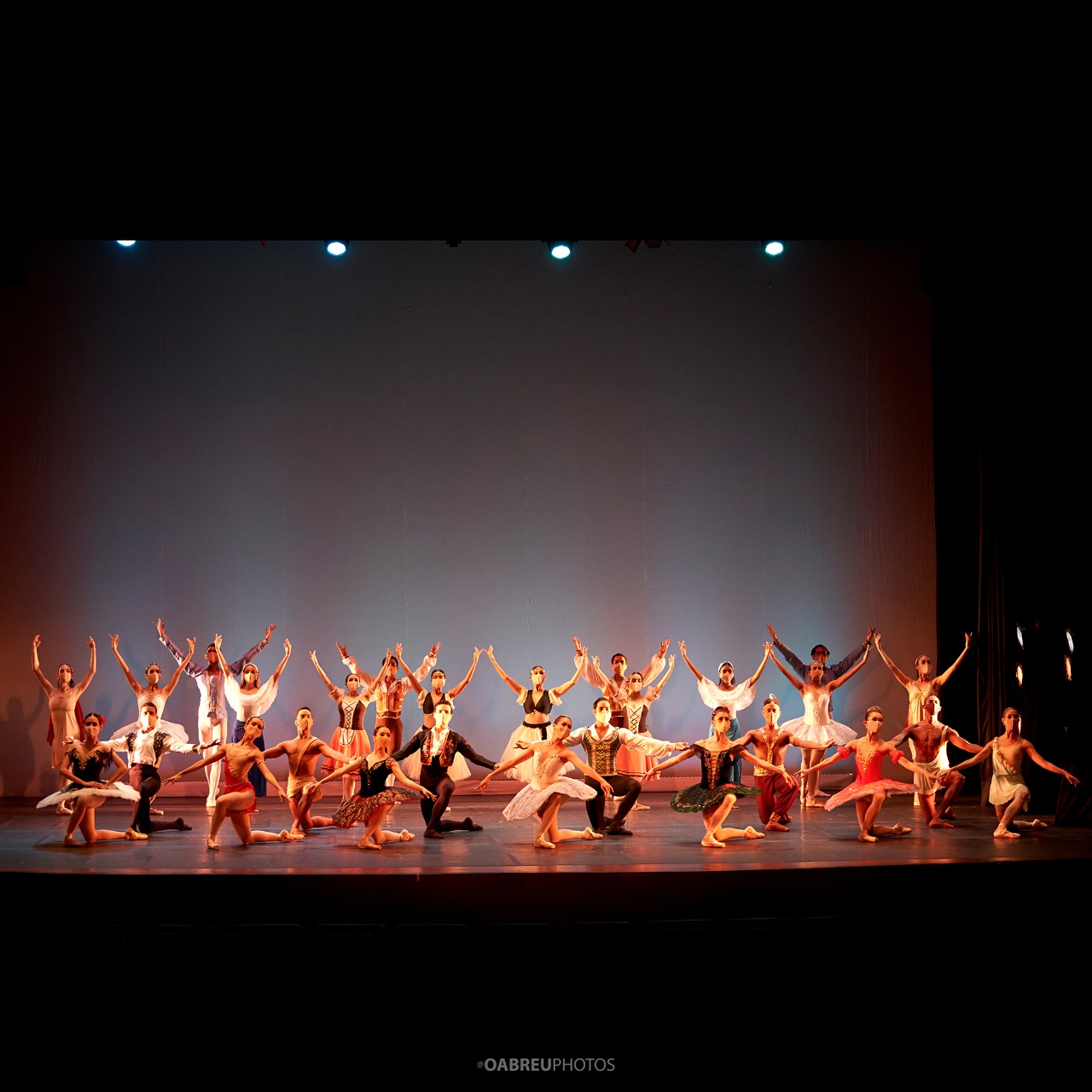
In the 1960s a group of dancers decided to join to train and was born the idea to form a professional company for Panama. That idea was led by the First Dancer, Teresa Mann Q.E.P.D. The idea became clear in 1972 with his first official presentation at the Javier School gym and where she danced as a dance body at age 15.
Later in 1970, with the establishment of the Panamanian Institute of Culture and Sport (INCUDE), the National Ballet of Panama (National Ballet) was launched by Prof. Jaime Ingram and the support of teacher Nitzia Cucalón de Martín.
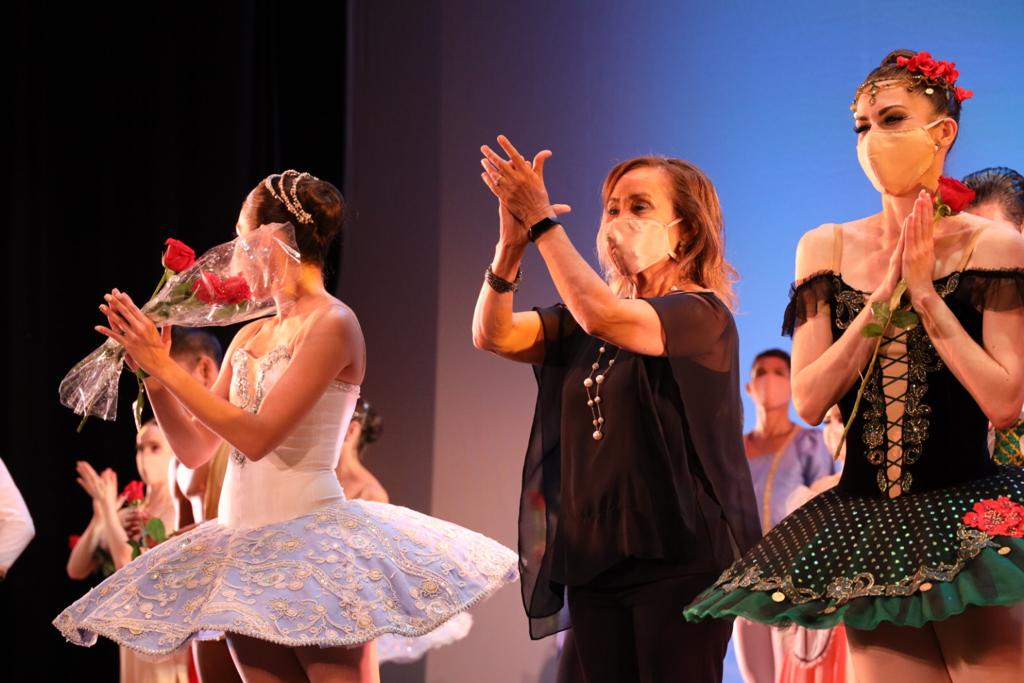
Several generations of dancers have been members of the National Ballet and many today are directors, teachers or academic owners. Currently, the Ballet has 17 dancers and 10 dancers.
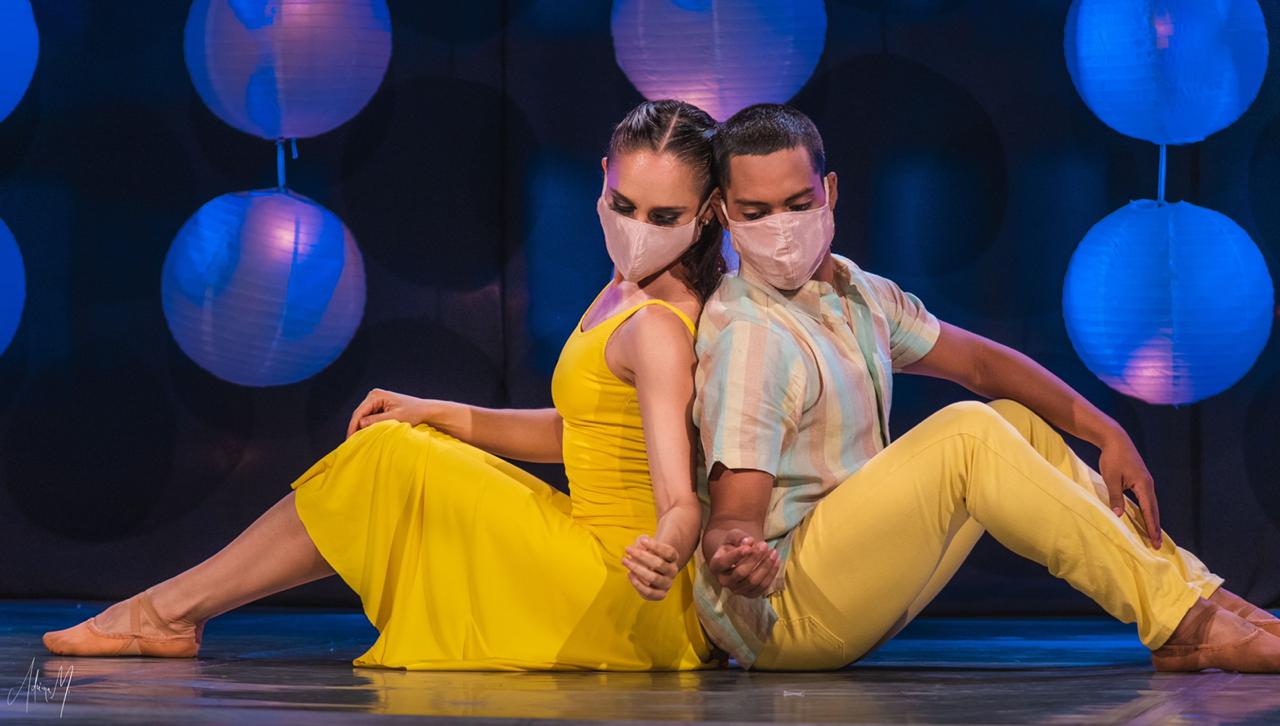
The dance is a way of living that will forever reflect itself and can be built into the way of life of many Panamanian people, as with the Executive Director of the National Ballet, Gloria Barrios and the dancers Pilar Vega and Edgar Santamaria.
Gloria Barrios and his beginnings
From 9 years old, Gloria became interested with the Dance. At that age she knew that that was his destination and his decision for the future. At 12 years old she entered as an apprentice at the Ballet University Concert of the DEXA.
"At that time my family was so humble and I couldn't afford what I needed to dance ballet, so I made sure I studied a lot to have good grades and be favored with scholarships and so I could dance."
"I worked very hard to get myself a scholarship to study ballet in London and thanks to the famous English dancer, Margot Fonteyn, I managed to go to international festivals and competitions in Cuba, Russia, Japan, USA, Brazil, Peru and some I earned medals. I did everything to fulfill my dream of dedicated myself to what I felt was born," Barrios added.
Can live from the Dance
The profession of dancer requires a great deal of constancy, work and discipline. That's why and thanks to the efforts of "our ancestors," we have been able to dignify our race with decent wages. Also, most of the Ballet members also teach at the academies of the city and thus achieve an interest and motivation to see dance as a valuable and recognized profession, Barrios added.
What's missing to be considered the best ballet in the world
Art and Culture in general require tradition and care for their people. "In Panama the dance is in our DNA, and at the National Ballet we have achieved public recognition for our work" I say.
Similarly, the eyes of the world know and respect what has been achieved. Now with a Ministry of Culture and its next headquarters at La Ciudad de Las Artes they are taking very firm steps towards the goals they have always wished to achieve.
Dance and love -Pilar Vega
Pilar Vega discover his love for dance at age 5 at Hamlyn School in Florence, Italy. He speaks four languages and continues to study at university, but still lives from his profession as a dancer.
He entered the National Ballet as a soloist after his class and essays in March 2011. He has been introduced with his national Ballet and with his husband at an invitation from the University of Panama in France, Switzerland, Italy, Nicaragua and Peru.
He met his husband in 2011, Edgar Santamaria at the National Ballet, the year they hired both of them.
"The dance has made me grow as an artist and as a person. I have nothing to compare with how I feel about dancing at a stage and perceiving the public's emotion," said dancer Vega.
On the incorporation of children into this branch of art, she explained that "The main thing is that the child greatly likes dance as well as music and art in general, is the only way to enjoy his or her achievements and feel true satisfaction with his or her face with a great deal of discipline, sacrifice and training.
Edgar Santamaria - "I love what I do"
"I started at the dance with a relative, Andrés Nieto, who was performing the art of professional classical dance in Panama. One of the things that moved me to dedicated myself to the dance was an innate gift to dance. My first academic meetings I held at the National School of Dances," remarked Edgar Santamaria, a member of the National Ballet.
He reported that dance was his way of life, his profession and his "work." Having been an employed dancer at the National Ballet of Panama, he had been allowed to have some jobs at private dance schools and at other times had been hired for private events, so "I can say that if I live from my profession," he noted.
"I have had the joy to be at international stage by sharing at different cultural meetings," Santamaría remarked.
The greatest satisfaction that dance "has given me is to be able to do what I love, to meet the wonderful woman with whom I have a family today, and to know that life goes by and that dance keeps giving me so good moments," she said.
The dance enriches the spirit in a soft way, teaches discipline and works as a team, transformed the soul and the body is the profession of many Panamanian artists as they are: Solieh Samudio, Mau Navarro, Melissa Gaona, Yahir Castro, Andrea Diaz, Ana Lorena Boy, Carla Barsallo and Yair Castro, members of the Panama National Ballet that have been crossing boundaries and living from their profession. "Happy Dance Day."