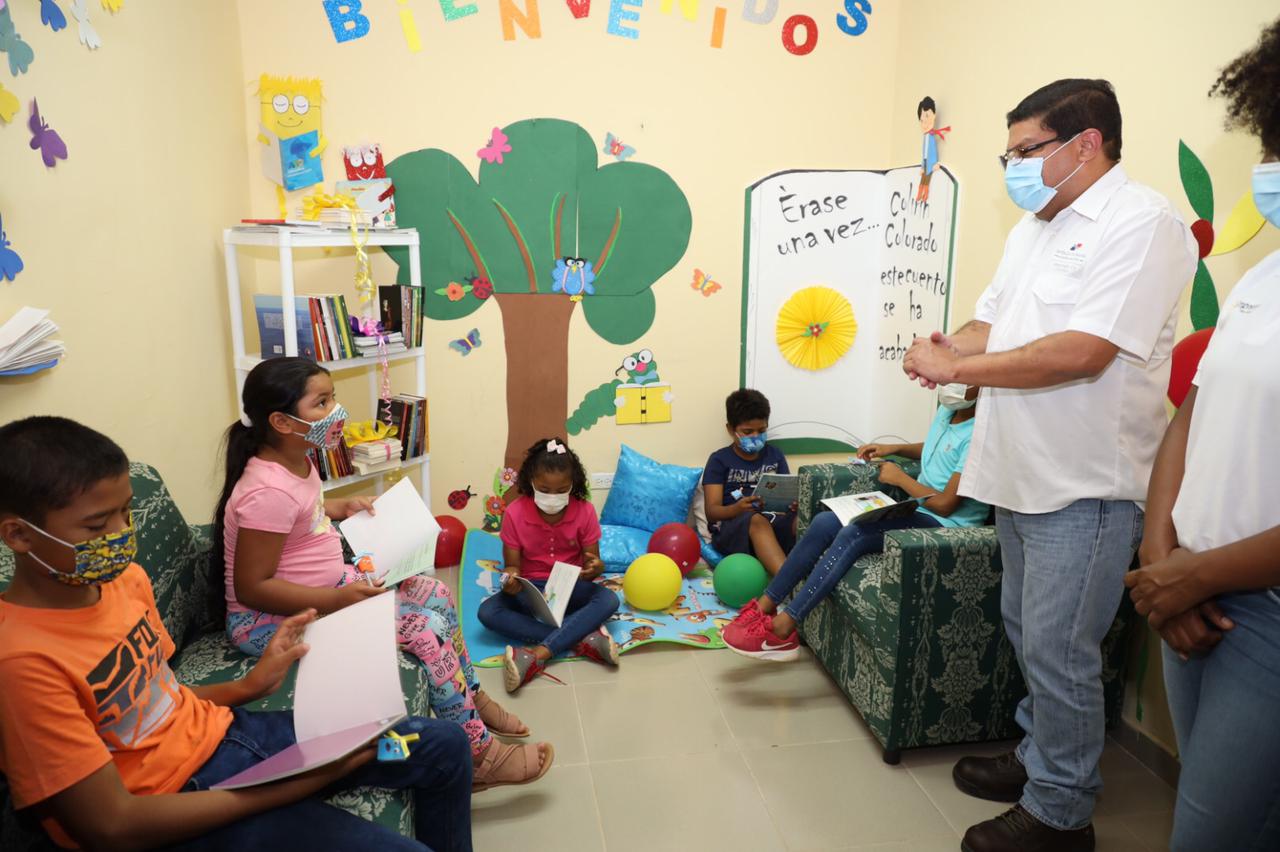
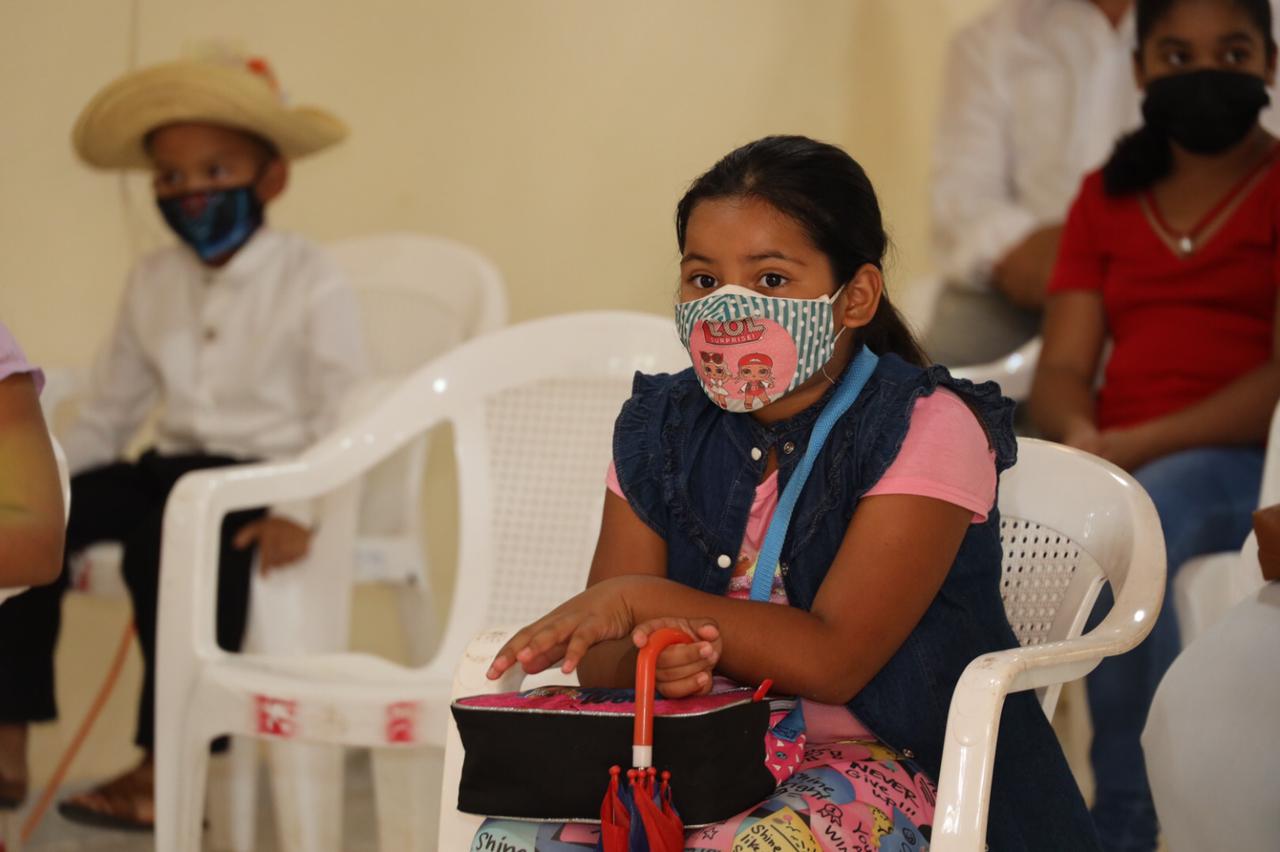
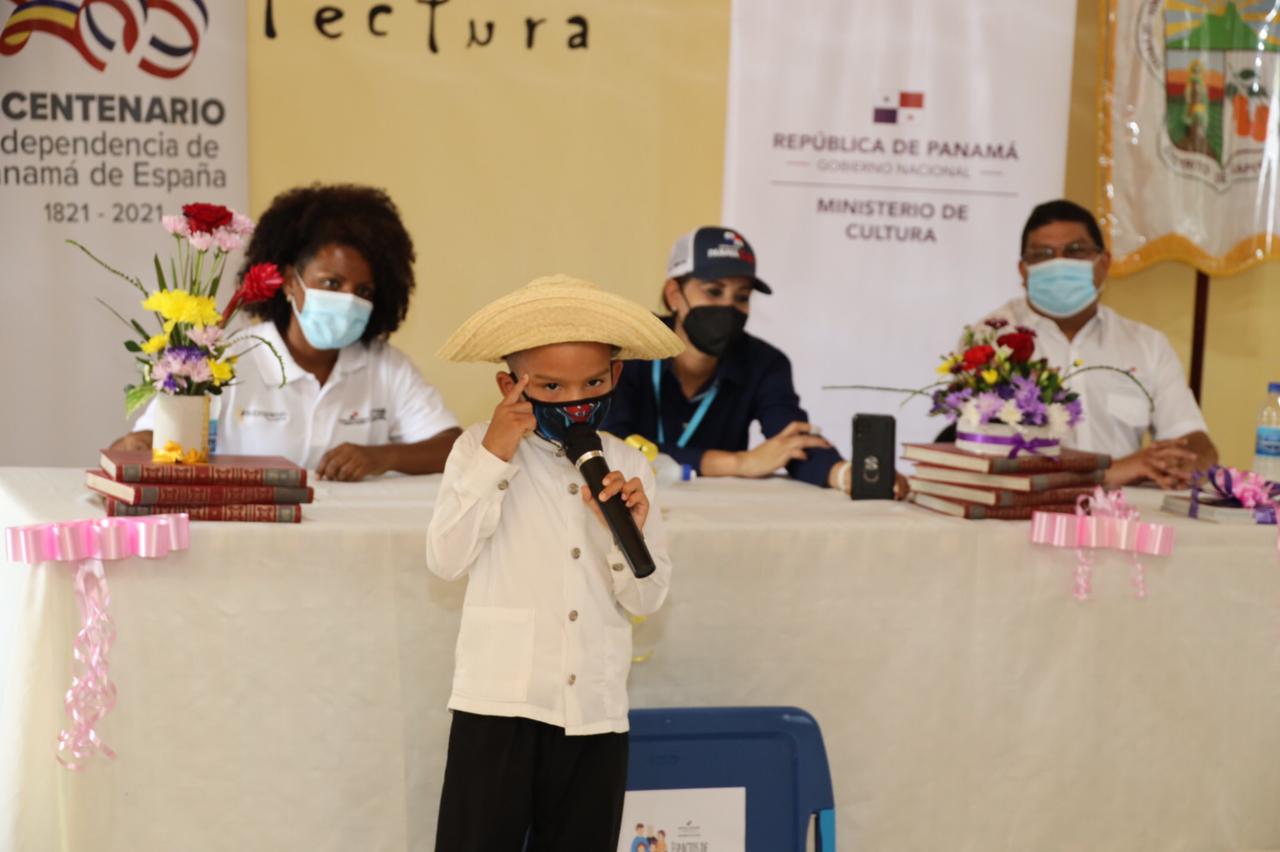
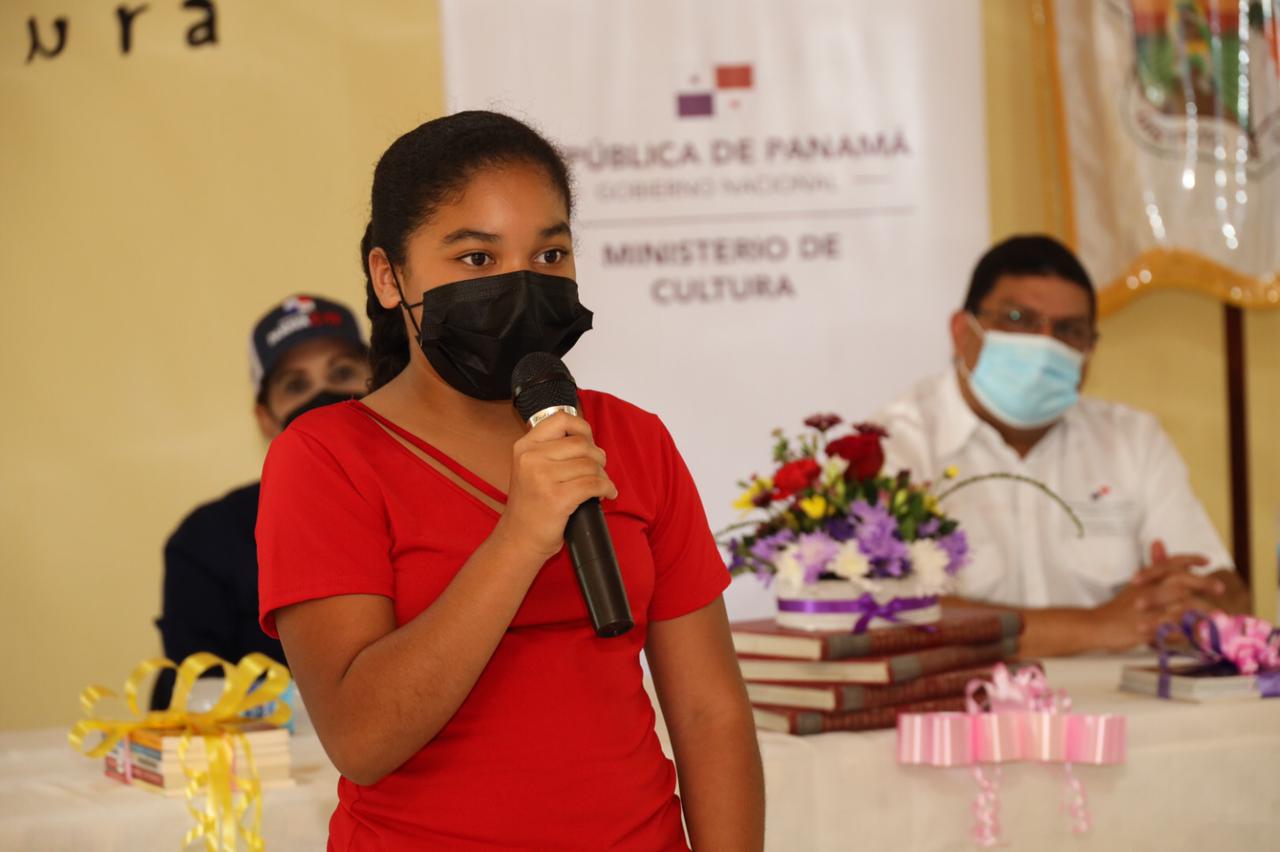
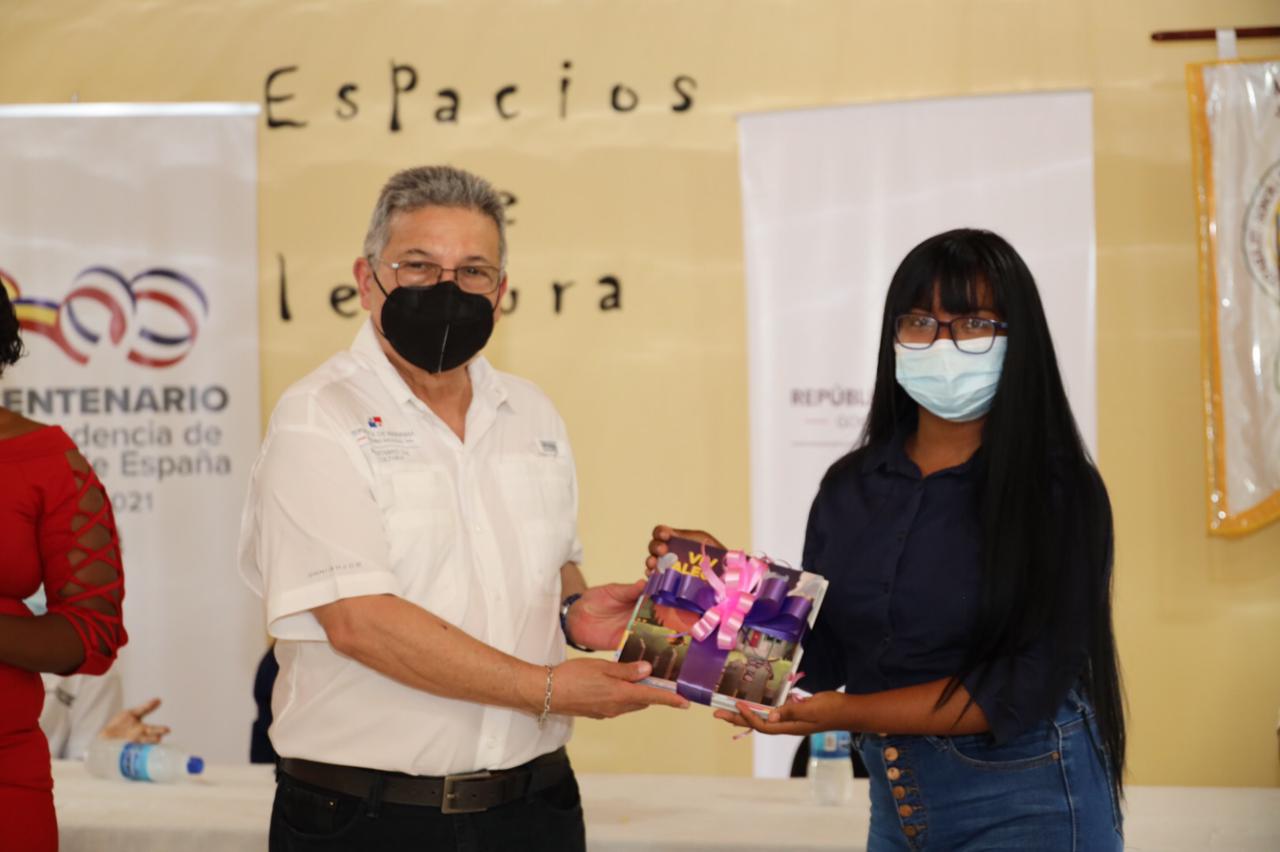
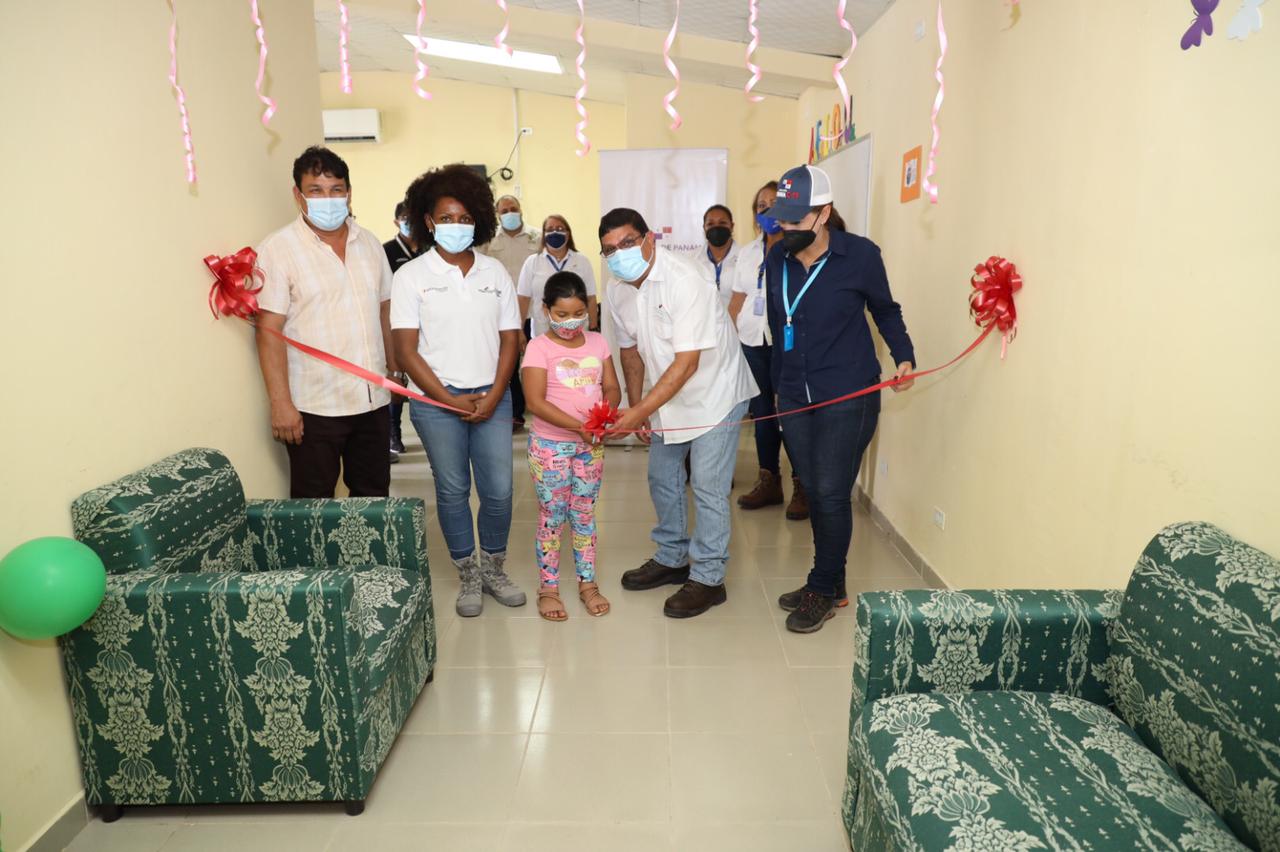
The following programs have been established after the Colmena Plan, run by the National Government, and the Ministry of Culture launched its first reading space with 120 jobs by Panamanian authors and will have an opportunity to bring them closer to the literary world.
These reading spaces, organized by the Cultural Rights Board of MiCultura, included an initial phase with regard to the selection and training of volunteers and mediators, who were provided with tools for better reading understanding, animation, storytelling and use of reading material as well as guiding them in the construction of values.
The idea of these reading spaces as a local or local body is that they can become small Promotion and Training Centres, representing an educational place where there are currently no libraries.
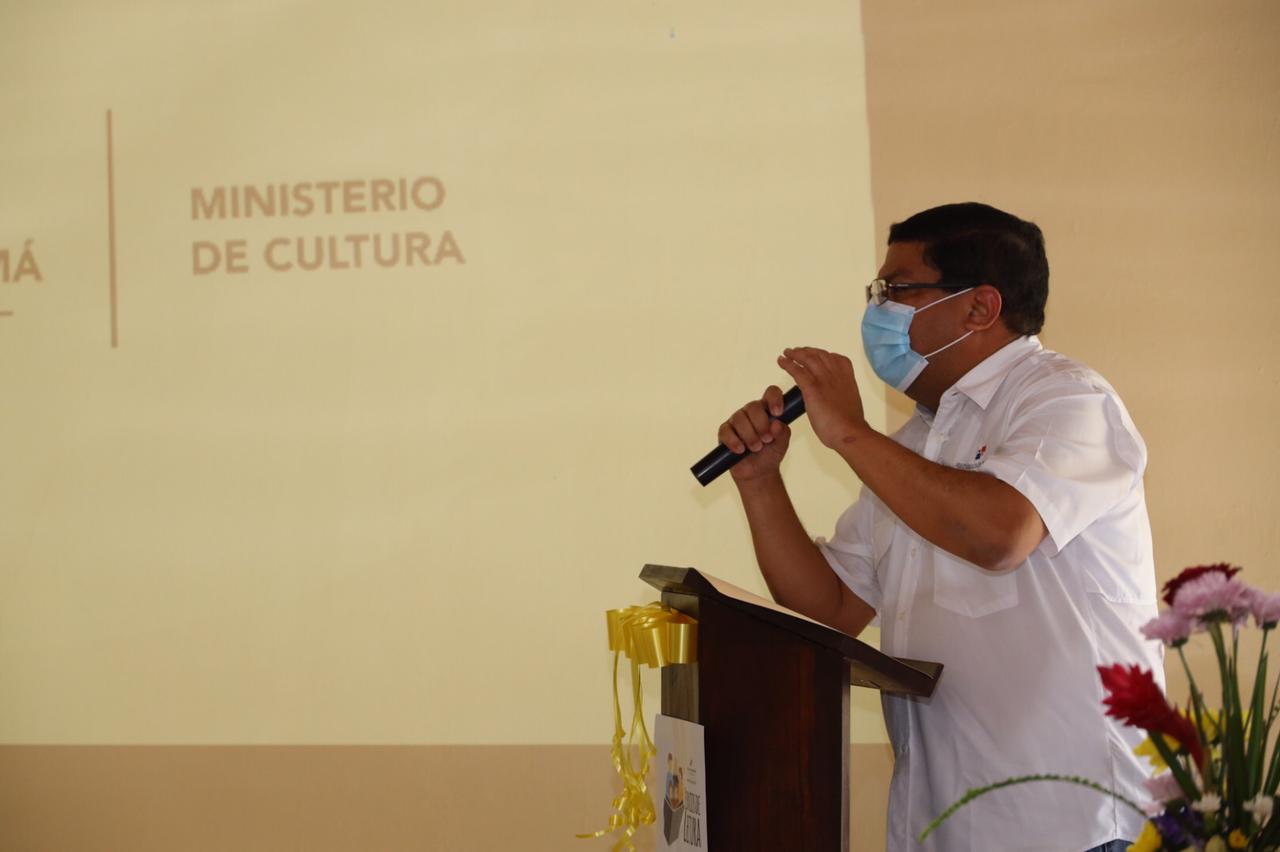
"At the Ministry of Culture we understand reading and access to the book as one of the main rights of citizens and it's vital to fight social and intellectual poverty," emphasized Carlos Aguilar Navarro, Minister of Culture, at his inaugural event.
Reading as a sociocultural practice is one of the main partners to promote the goals of sustainable development and to close gaps of inequality, because reading is an activity that's implicit in all scenarios where people need to communicate and build together, added the regent of the Panamanian cultural portfolio.
The reading mediators are the most important people in this project, they are dedicated volunteers to their community with the mission of bringing their neighbours closer to the Reading Spaces through simple reading activities with the idea that members of this community can come and spend some time reading individually, group or as they wish them to be, because they are poetic spaces that have the goal of being a place to provoke a desire to read, emphasized Carlos Fong, a reader from MiCultura.
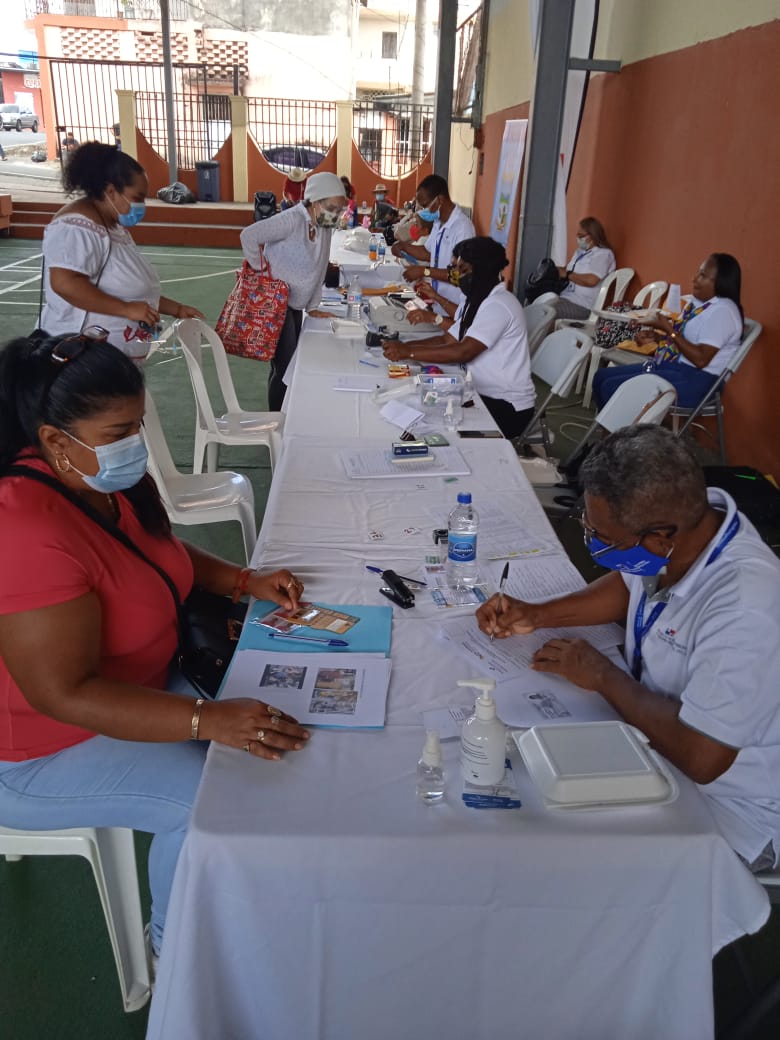
MiCultura, as part of the Colmena Plan, did this week's accreditation of 143 artisan from the sectors of Arraijan Cabecera and Burunga, where textiles, fibre and family accessories have been formally entered into the artisan market, giving them more opportunities to be apprised for projects and jobs and other programs for those dedicated to this economic area.
The Colmena Plan, designed by Laurentino Cortizo Cohen, president of the Republic, to achieve a "Panama free from poverty and inequality, to Santo Frontera," is an articulated work developed by different state entities, for the comprehensive implementation of public policy through cross-sectional offer, citizen participation and also with the support of non-governmental actors that come together to guarantee and positively impact and give people the right to development.