Machine translation. This content was automatically translated from Spanish. The Spanish version is the only official one: for all legal purposes, and in the event of any discrepancy, the original Spanish text prevails. View the official Spanish version

Back to blog

First General Cultural Law in Panama Reforms
First General Cultural Law in Panama Reforms

Content of the News


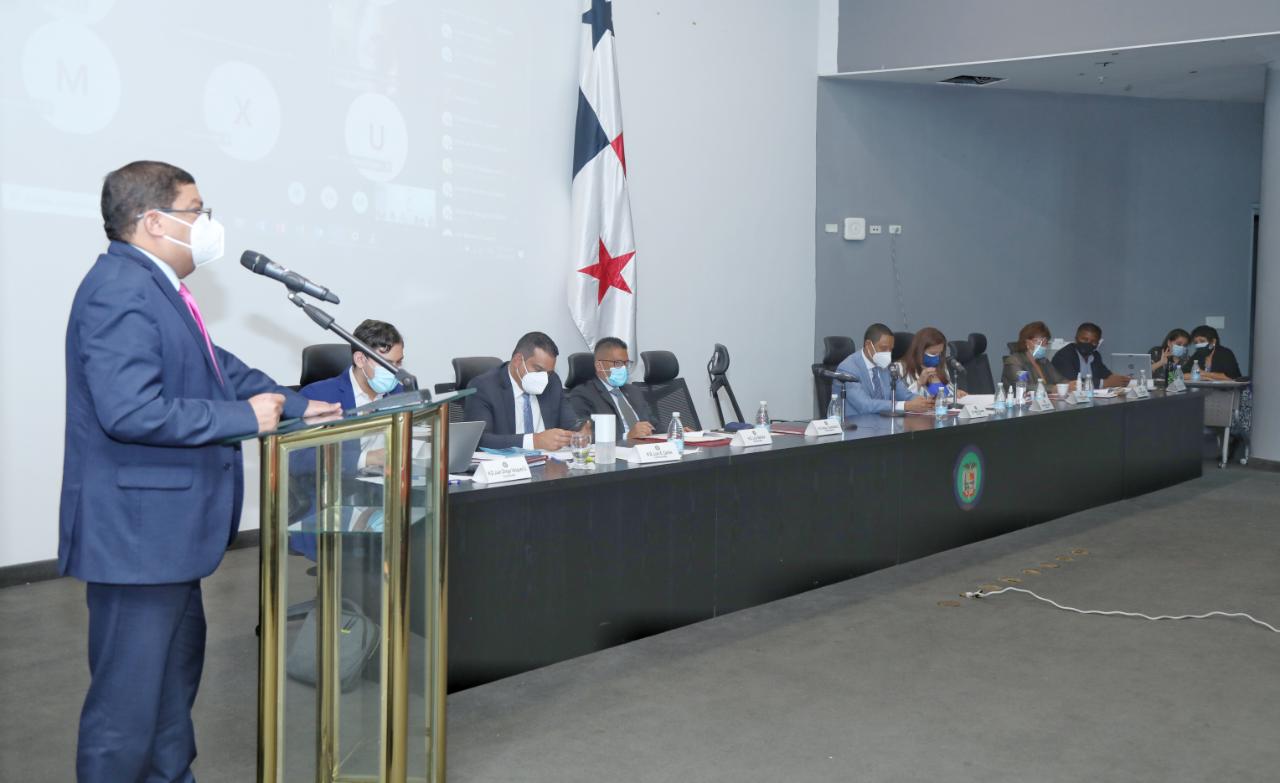
The Minister of Culture, Carlos Aguilar Navarro called for the union of all cultural groups throughout the country so that for the first time in history Panamanian people have a General Law of Culture that recognizes the importance and need to formulate public policies that meet the cultural needs of society.

The announcement by the culture holder was given during the first discussion of the bill 202 "General of Culture," that aims to legitimize public actions for the benefit of a range of activities, processes and sectors that have been undesigned from national cultural regulations.

"It's a day of rejoicing. It starts the discussion of what will first be a General Cultural Act in Panama. It's also a historic moment, as we will have a legal, legal and philosophical tool that contributes to a cultural institution. That project already has a history. It's the joint work of important Panamanian inputs from several government administrations," said the Minister.

The draft General Law on Culture gave the Ministry of Culture a modern framework and approach and supported its actions by two sets that guide the aims of cultural governance: cultural rights and sustainable development.

Also, this project, currently discussed in blocks, recognizes culture as a cross-cutting axis of public policies and the need to put in place cross-cutting policies and actions to improve people's quality of life.

The bill, put forward by Mr Héctor Brands, President of the National Assembly's Commission for Education, Culture and Sport, will also allow an integral protection of the Panamanian cultural heritage and will be the first time in the property regulations that recognize and protect all categories of cultural heritage and incorporates mechanisms to protect the material, intangible and cultural heritage.

Cultural policy also aims at opening up spaces for recognition of digital culture and this bill will promote the use of communication and information technologies in artistic expressions and cultural projects.