Starts management of recyclable materials in San Felipe's correction
Content of the News
Panama, 30 August 2020 -With a door-to-door collection service currently about a week old, the San Felipe correction has been put into place with the new Retractable Materials Management System recipes for your Future, a public-private initiative supported by the National Government's Tourist Cabinet, that promotes good practice in integrated waste management.
The San Felipe Communal Board and the office of the Casco Antiguo of the Ministry of Culture are local official partners in the implementation of the program in this correction with a common goal to inculcate the practice of 3Rs: To reduce, reuse and recycle, generating opportunities for waste valuation through a model of circular economy.
The cooperation agreement includes the Ministry of Environment, the Mayor's Office of Panama, the Housing and Housing Authority, the National Association for Conservation of Nature (ANCON) and the private companies National Breast and the Cocoa-Cola system (composed of The Coca-Cola Company and Coca-Cola FEMSA) with Nestlé as a strategic partner.
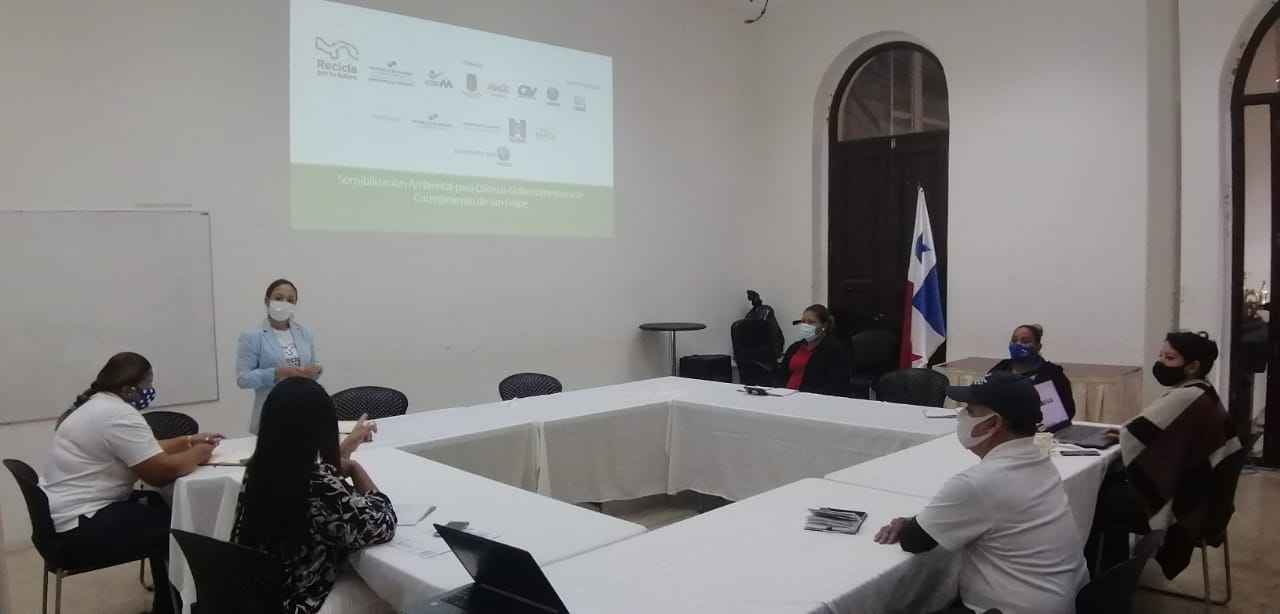
The plan began at the end of 2019 with the social and environmental diagnosis process, identifying the different sectors of the population of the correction, composed of residents, institutions, businesses and visitors. A different environmental awareness programme was later put forward for each of the sectors identified and a collection strategy suitable to the operation and uses of each.
That training period continued, despite the fact that the pandemic was declared, through digital platforms such as Zoom, YouTube and WhatsApp, said Rita Spadafora, a spokesperson for Recicla for your Future.
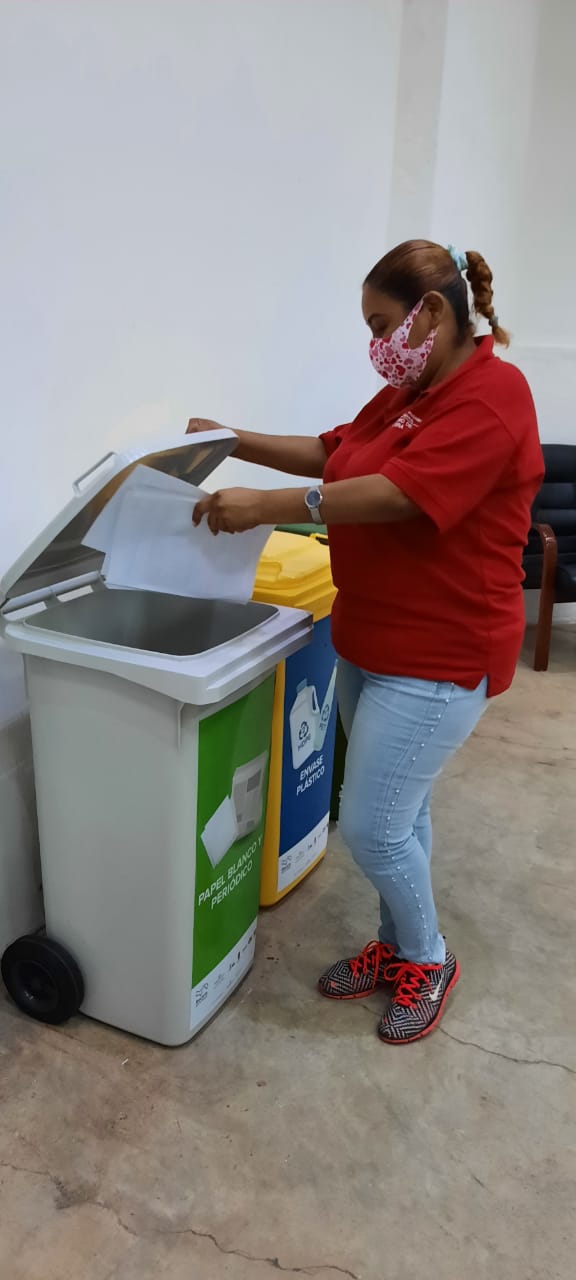
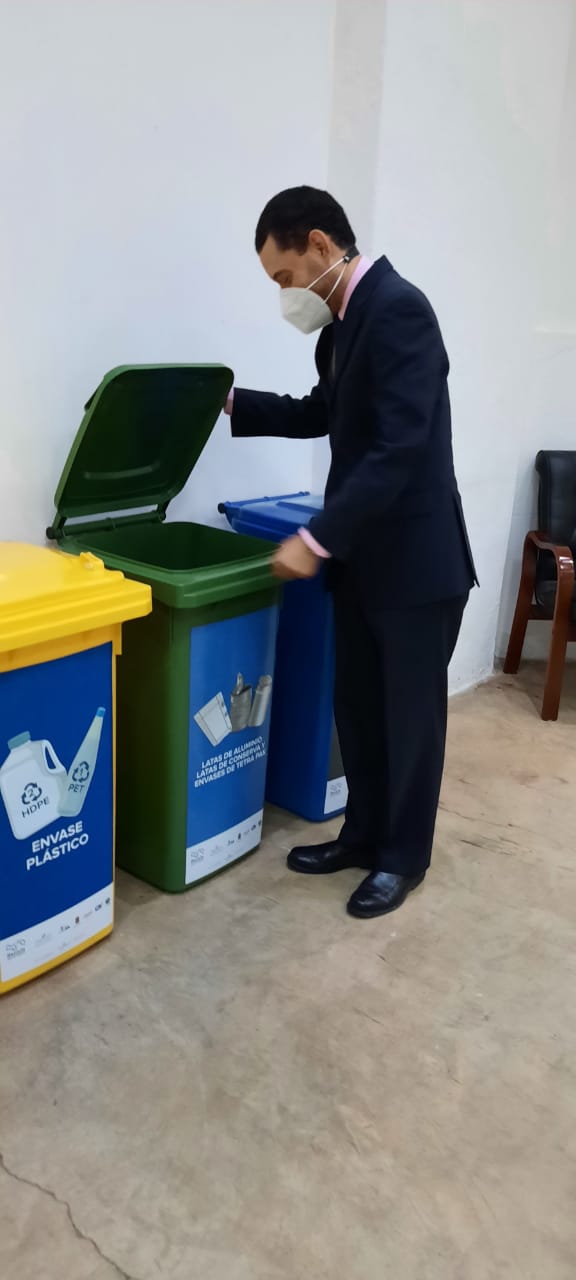
Following the collection of recyclable materials among residents, an awareness-raising process was initiated with another important sector in the area, the government offices located at the correction, pursuant to Act 6 of 6 February 2018, which lays down integrated management of solid waste in public institutions.
The businesses will be incorporated into the project as soon as they start operations and three (3) recycling stations have been established in defined public spaces to facilitate their
appropriate separation of waste from national and foreign visitors who come close to popular rectification, an historic heritage of mankind.
The materials included in the San Felipe Retirement Management Programme are paper, cardboard, plastics, aluminium and preserved cans, glass containers and cooking oil.
Fernando Díaz Jaramillo, director of the Casco Antiguo office, pondered the fact that the program was undertaken as a collaboration between civil society, private enterprise, the national government and the mayor's office.
The goal, she emphasized, "is that in a short period of time solid waste from all sectors of the correction (residents, businesses, institutions and schools) will be separated at source and that the program can be extended to the rest of the historic centre, including Santa Ana and El Chorrillo.
The educational establishments of the area will be incorporated into the plan with the collaboration of the Ministry of Education and will distribute information to the San Felipe students and three other recorders selected for the period 2019-2023 with the subsequent implementation of the recycling management system.
The Tourist Cabinet (GT), attached to the Ministry of the Presidency, is the inter-institutional administrative political structure that coordinates, propose and set up priority actions and main public infrastructure and services tasks incorporated into the National Tourism Development Plan.
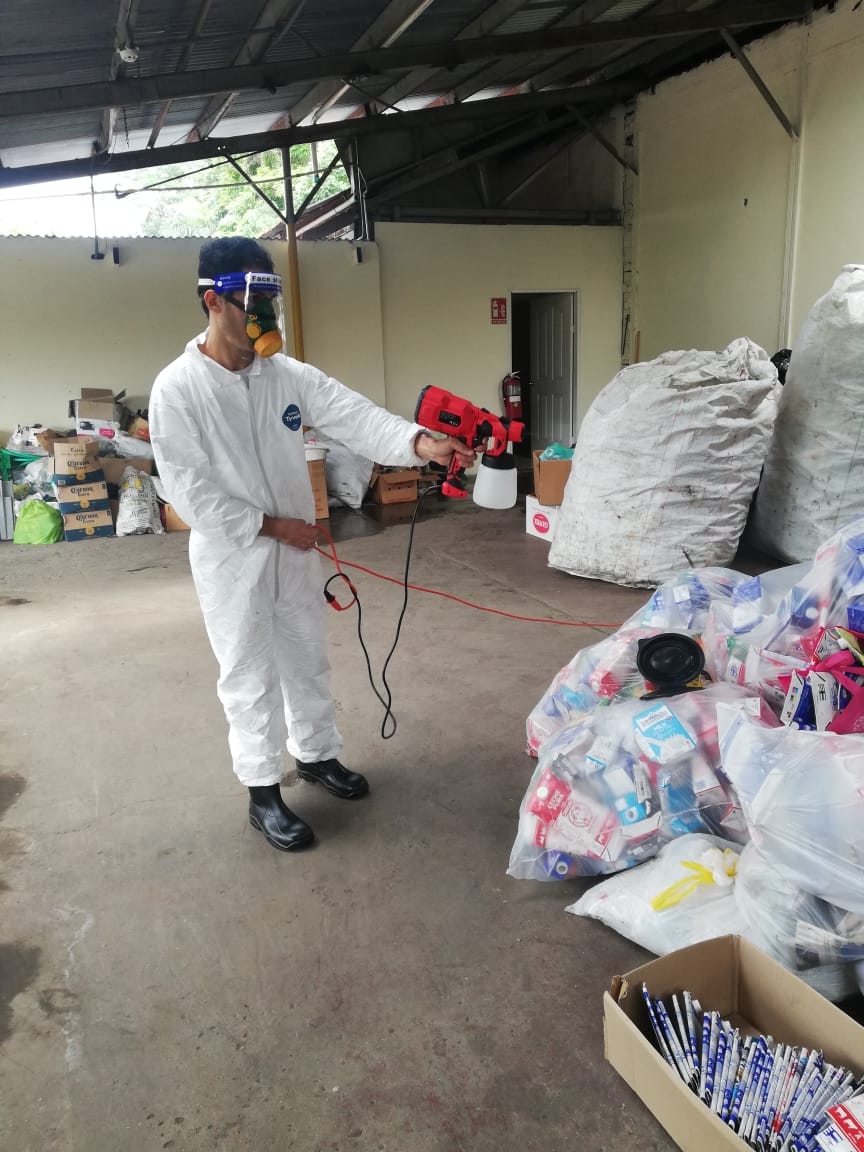
Recipes for your Future asks the community to avoid recycling if there are positive diagnoses of Covid-19 at their homes and to implement biosecurity measures to prevent the spread of the virus.
For those with recyclable materials, the program has enabled the web site www.recyclaportifuturo.org to find a guide to recycling stations and information about their proper use.
Recipes for your Future sets long-term goals (2019-2023) that include:
- The development of awareness-raising programs for proper waste and recycling at homes, shops and more than 34 state schools
- The installation of 30 new recycling stations
- The establishment and operation of eco-centers
- Recovery of at least 250 tons of waste by 2023
- Continue to generate jobs in environmental activities
- To work with the industry sector to boost local transformation and achieve a circular economy.