< strong > Representatives of countries from the SICA and Cuba gather in Panama to safeguard Afro-descendant living heritage < / strong >
Content of the News
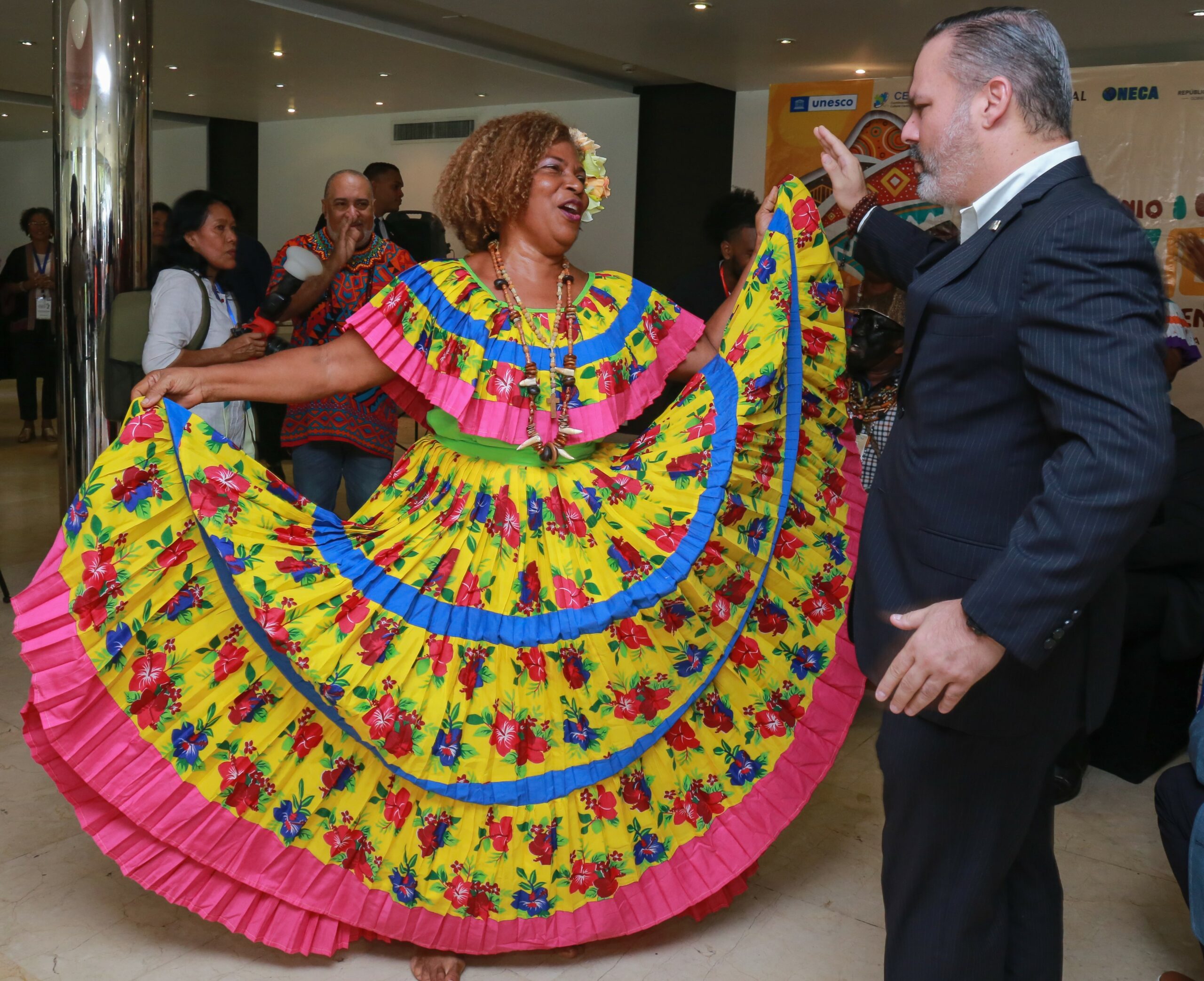
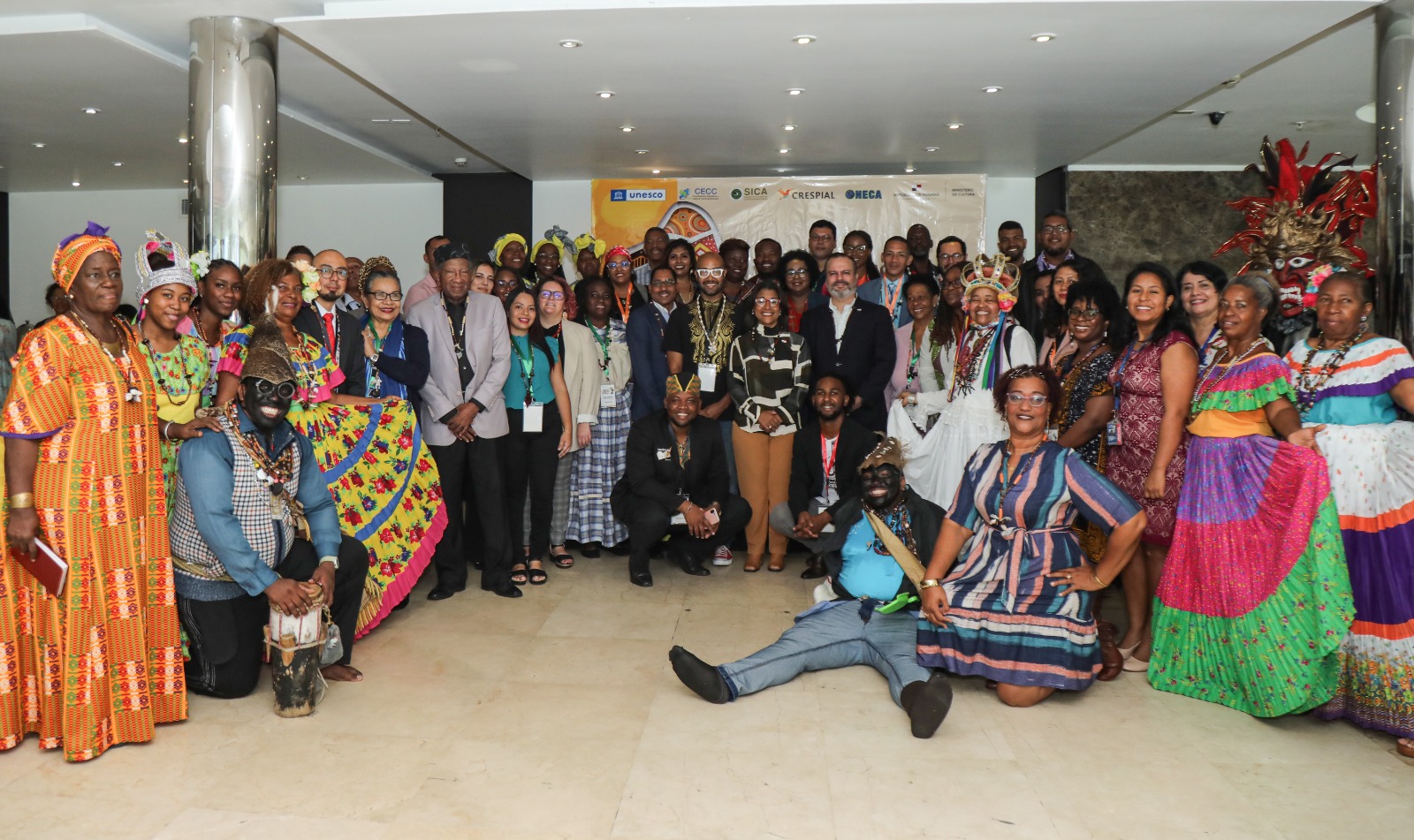
From 1 to 5 May, Panama will host the workshop "Building the capacities of community leaders and public managers to safeguard the Afro-descendant Intangible Cultural Heritage (PCI) of the CECC and Cuba region," aimed at strengthening the capacities of public officials and members of communities to safeguard the Afro-descendant living heritage of Cuba and of the eight countries of the SICA region.
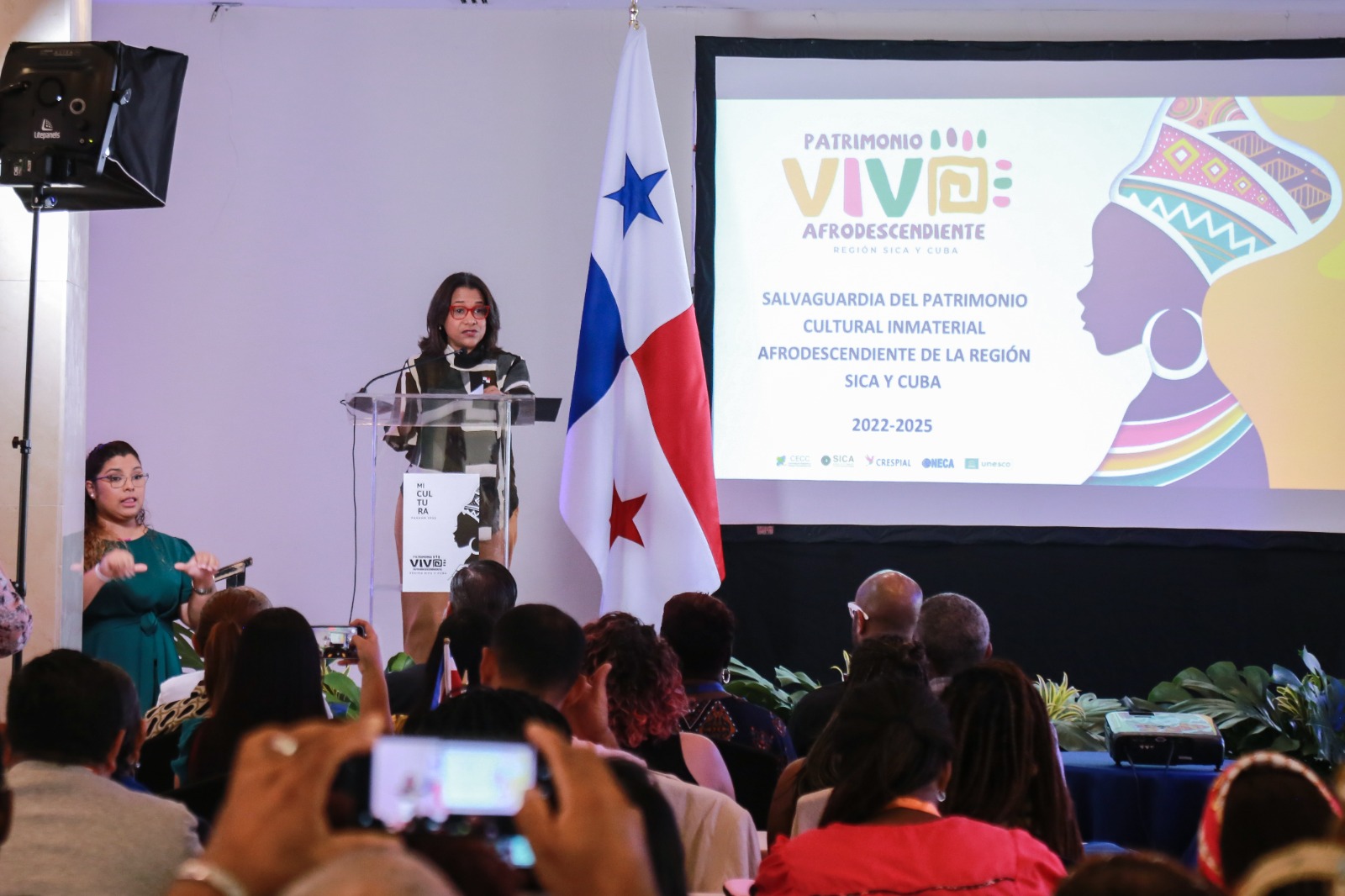
The Minister of Culture, Giselle González Villarrué, emphasized at the inaugural ceremony that "Although each of the states currently currently have advanced work through the Convention for the Safeguarding of the Intangible Cultural Heritage, both in inventory and in global recognition, we have to strengthen safeguard plans where every carrier understands that heritage remains alive with different forms of efforts, where public policy can form constructive tissues as this one currently growing, because we are united more strongly!"
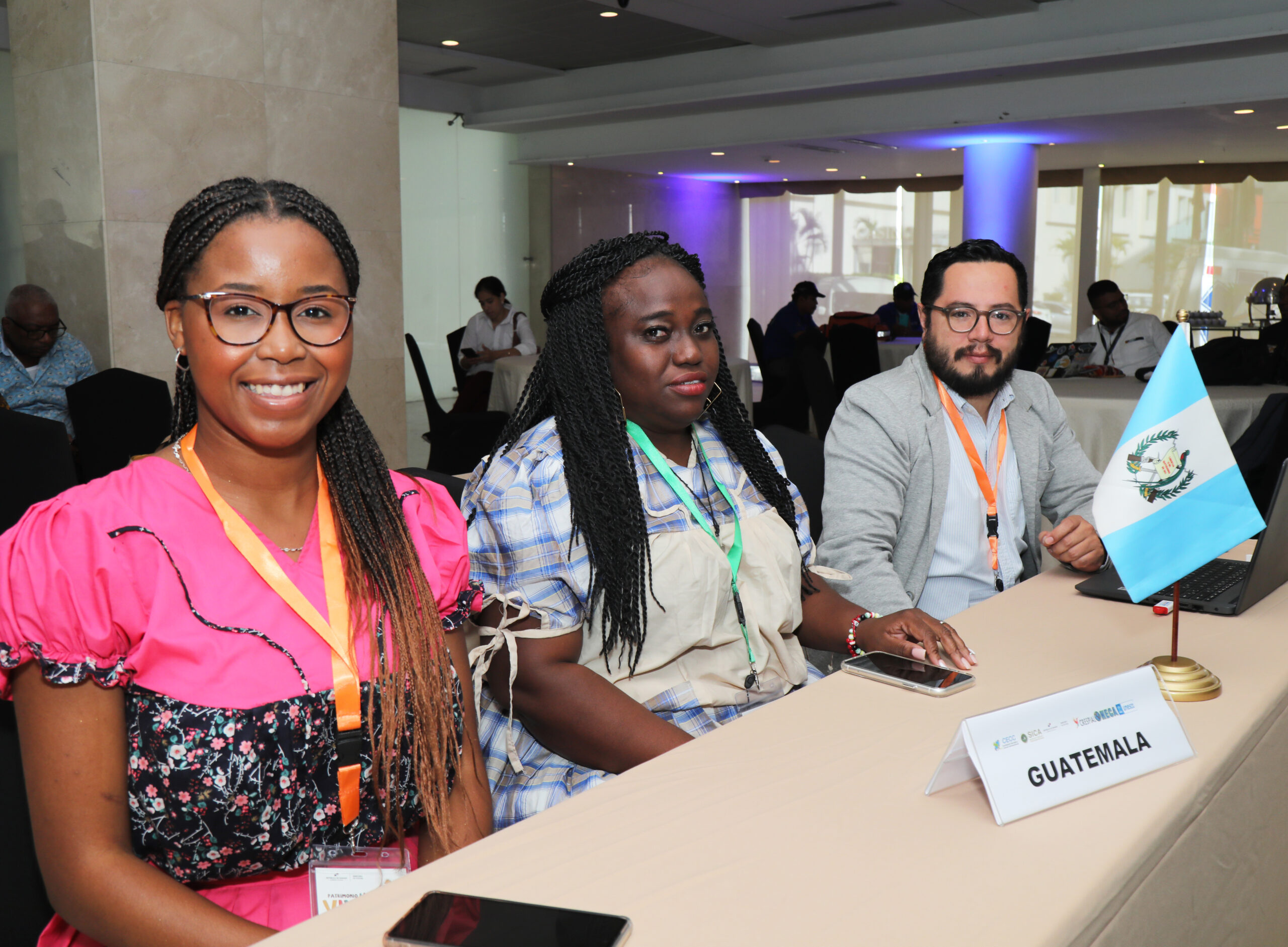
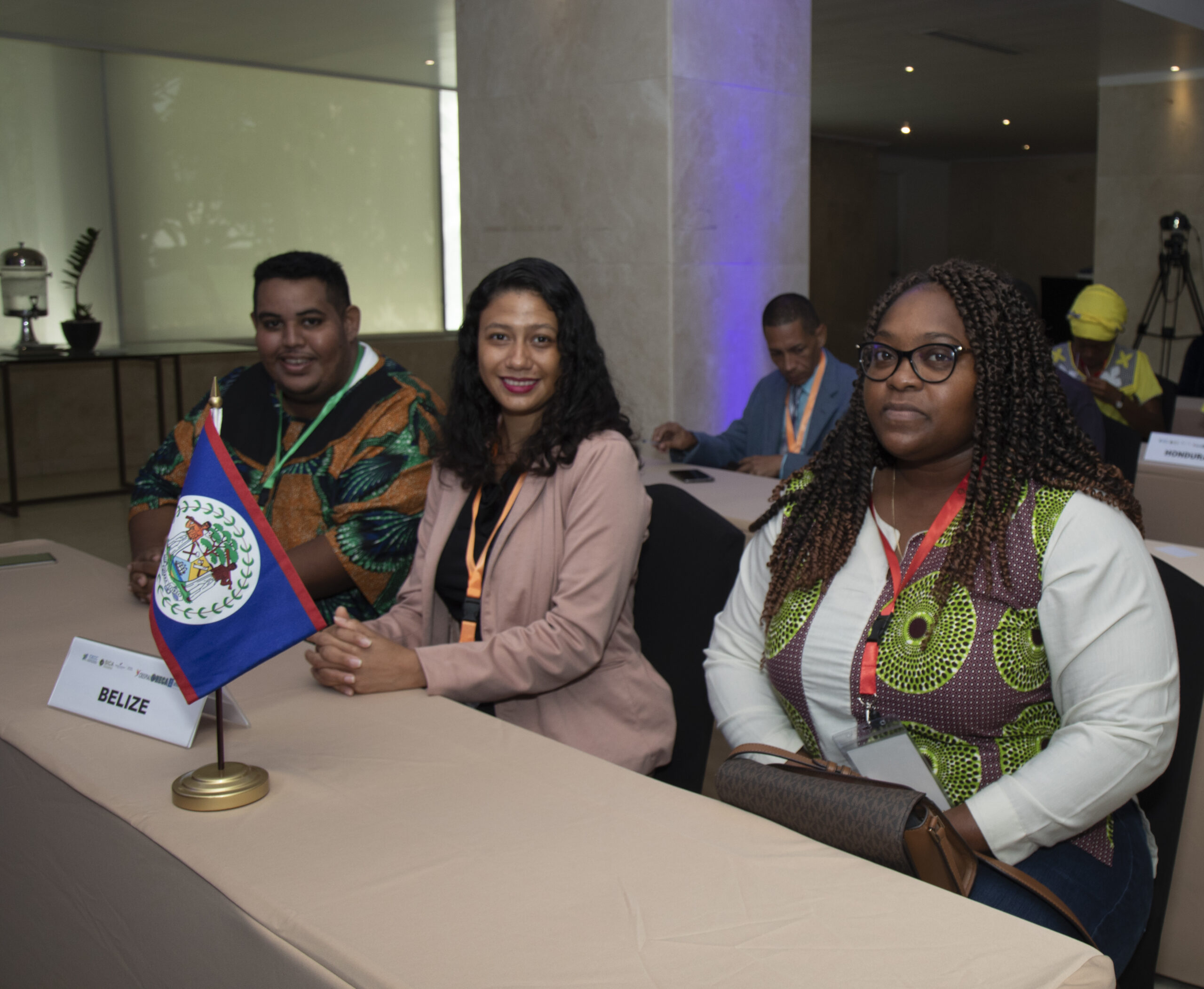
The meeting will be attended by a representative of the Central American Black Organization (ONECA), 27 participants from countries of the SICA and Cuba region, and 3 representatives per country (one government and two community researchers). 6 additional delegates from Afro-descendant organizations from Panama will participate.
The workshop will conduct four intervention modules, including: Module 01 - Key Concepts of the ICP, Module 02- Public Policies for the Safeguarding of the ICP, Module 03- Community participation as part of the safeguard of the ICP and Module 04 - Measures and tools for the safeguard of the ICP (Inventories).
Similarly, they will also be provided with a basic management of the necessary methodological tools for the development of a state of national art of actions to safeguard the living heritage of Afro-descendants.
At the opening ceremony, Abel Aronátegui, Cultural Management Coordinator of the CECC / SICA, mentioned that "today we have begun a great adventure, with the support of several organizations, actions have been put into place to strengthen the project to safeguard the living and Afro-descendant heritage of the region, with seven Afro-descendants listed as an immaterial heritage of the UNESCO."
"Intangibles are more widely recognized throughout the countries of the region, where performing arts, dances and oral traditions are linked, and this represents an example of union among integrated countries, to make a world where black children can live with their cultural and citizen rights fully," added Aronátegui.
In this regard, González Villarrué added, "To safeguard music, dances, narrations and tongues, artisan technologies, relation with nature and the universe, the traditional cuisine of each ethnic group tends a leading thread that keeps the spirit of the ancestors alive."
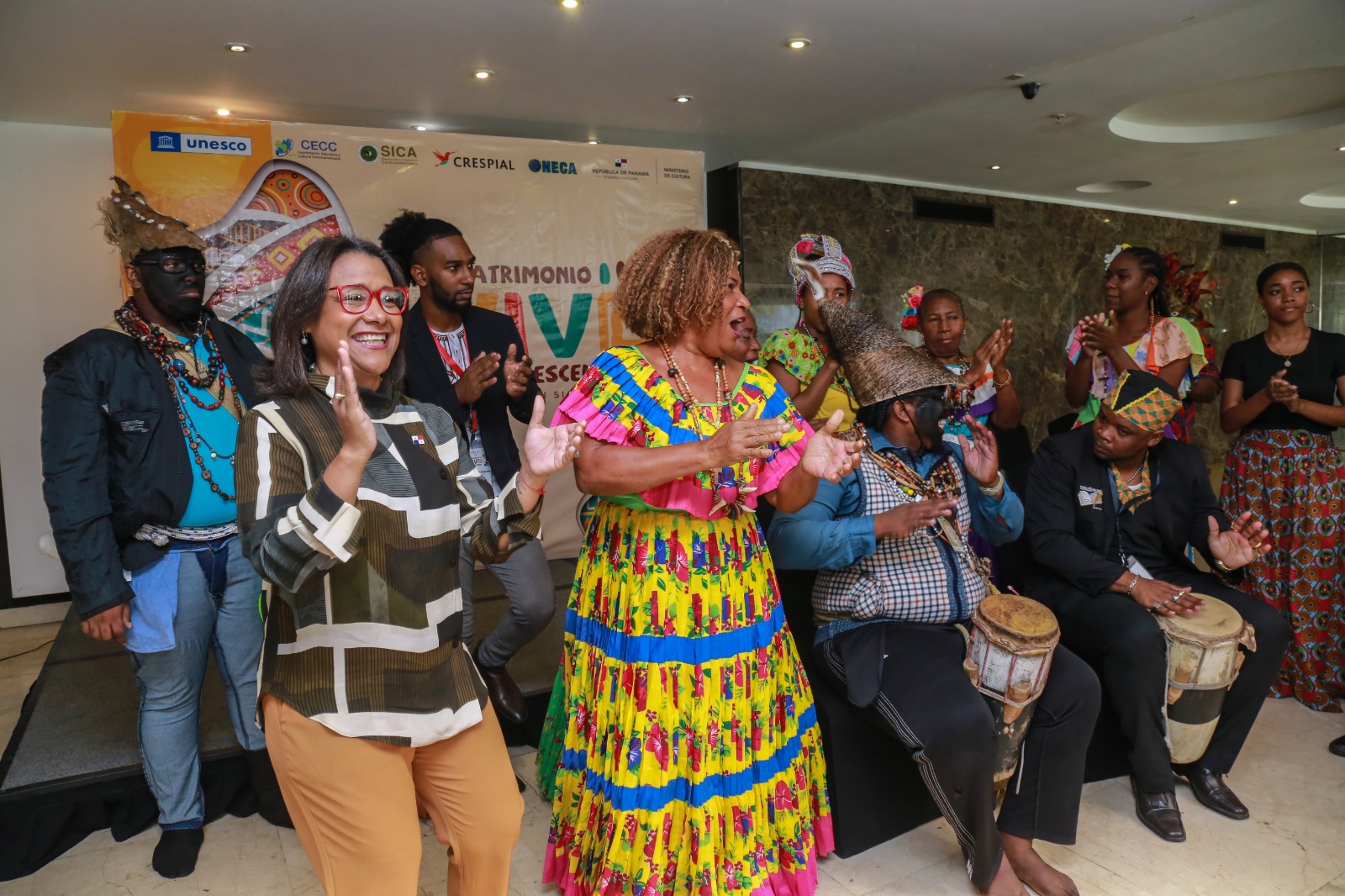
"At the Garifuna voices and dances, at the congo culture, at the calipso, at the casabe and bon bread, at the bison and at the high school level, at the bres and indumentaries that allow us to dance to them are from the eternally drummer that a enslaved and today free day reminds us of a sad past, but also the capacity for resilience and the unbeatable joy of those who carry the nation inside," this is part of that legacy reaffirmed, the head of the Panamanian cultural portfolio.
The organizing agencies of this project include the Central American Educational and Cultural Coordination (CECC / SICA), CRESPIAL, the Central American Black Organization (ONECA) and the United Nations Educational, Scientific and Cultural Organization, UNESCO and the cultural ministries of the region, among other partners.
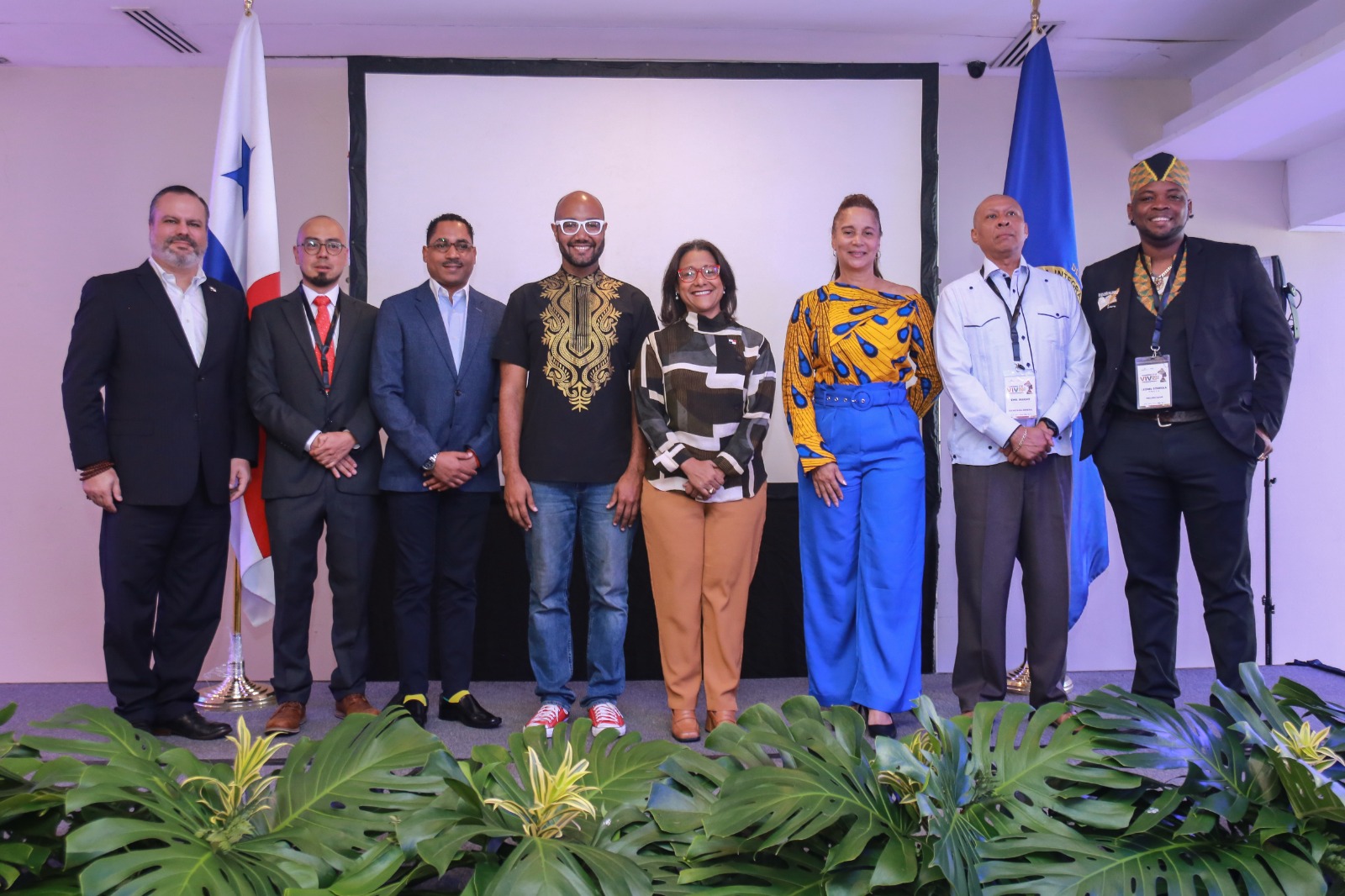
David Gomez, coordinator of the Afro-descendant Living Heritage Project, Owan Lay, technical director of the Regional Centre for the Safeguarding of Intangible Cultural Heritage of Latin America and Leonel Góndola, from the Youth Secretariat of Oneca, Black Organization of Central America, were part of the personalities who welcomed at the opening of this workshop.
The workshop's facilitators, David Gómez Manrique and Oihanes de Gana, represent CECC SICA and Crespial, respectively.
To learn more about the evolution of this event, you can follow the social networks of CECC / SICA, https: / / www.facebook.com / CECCSG, @ cecc _ ics at Instagram, https: / / www.youtube.com / user / ceccsica and @ se _ CECCSICA on twitter.
Besides @ miculturapma for Instagram and twitter and Panama's Ministry of Culture for Facebook and Youtube.