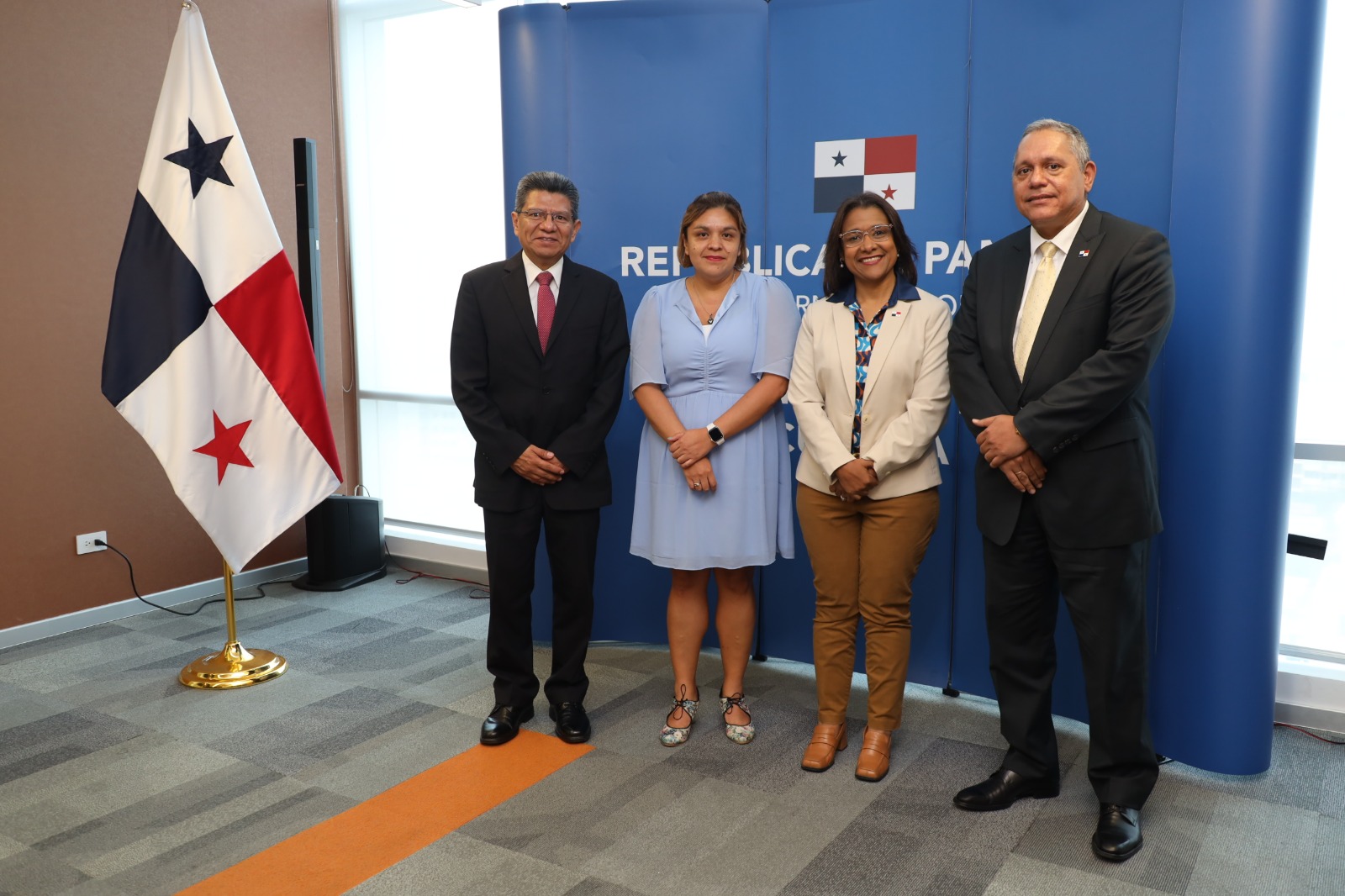
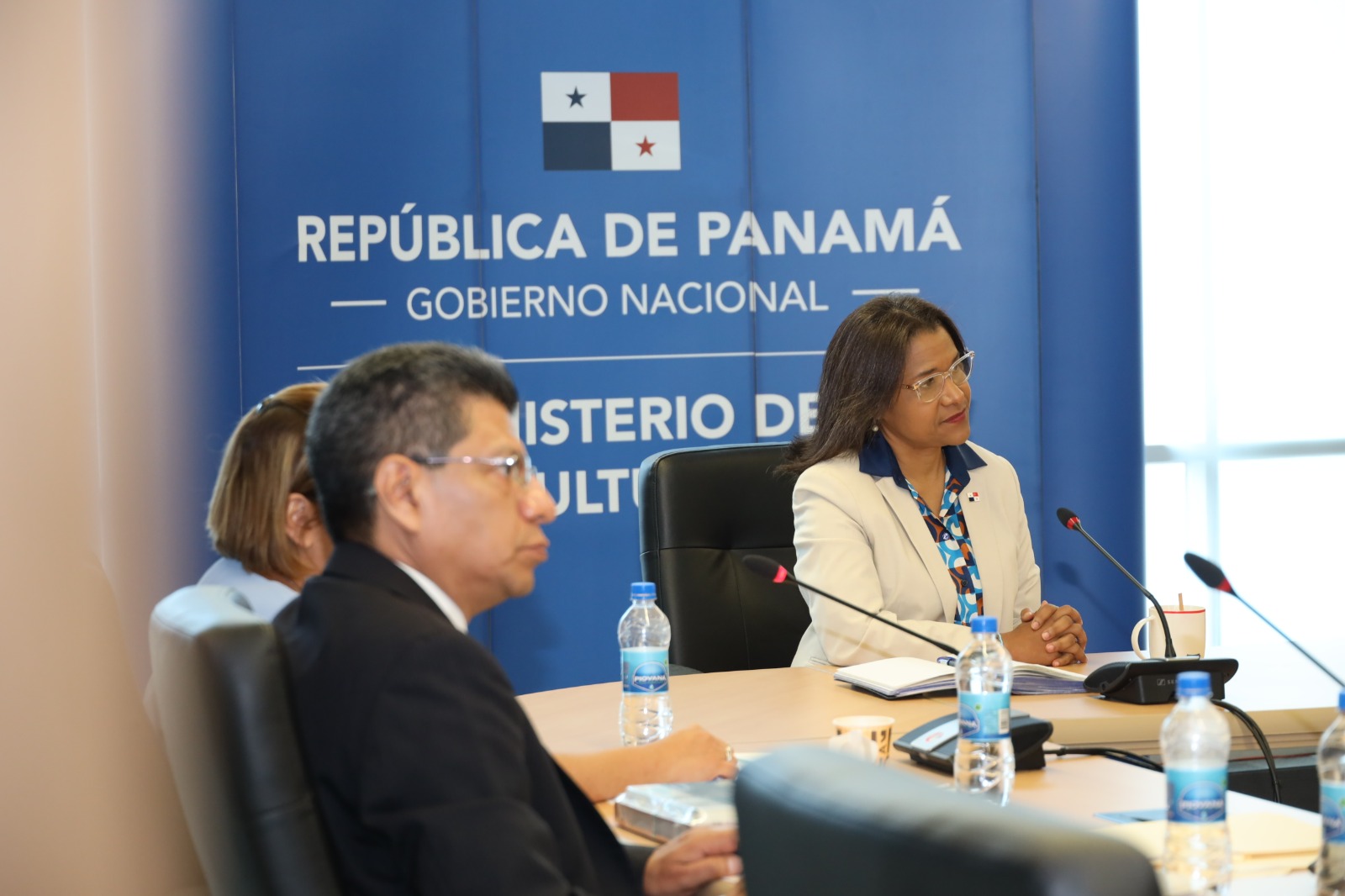
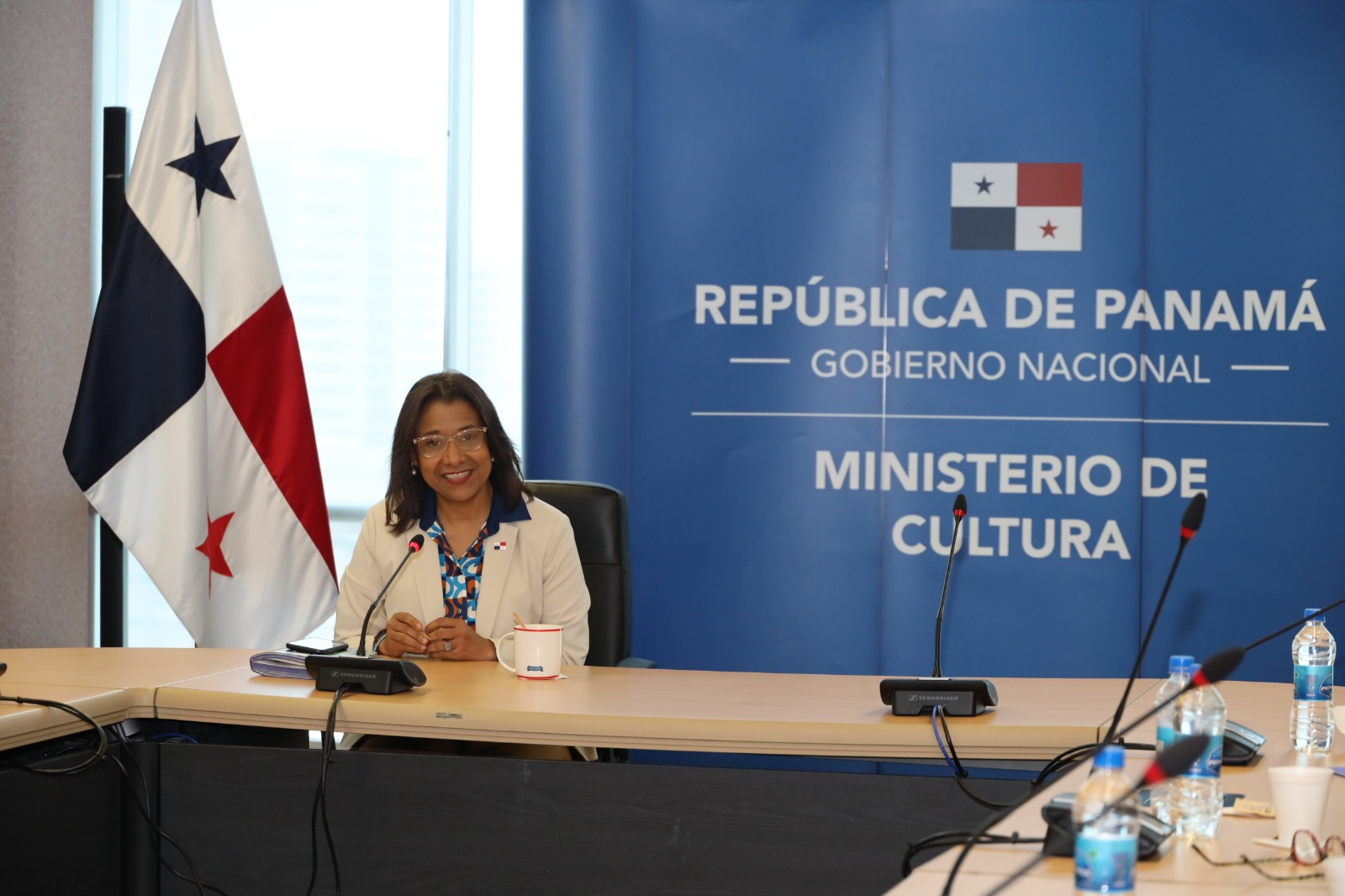
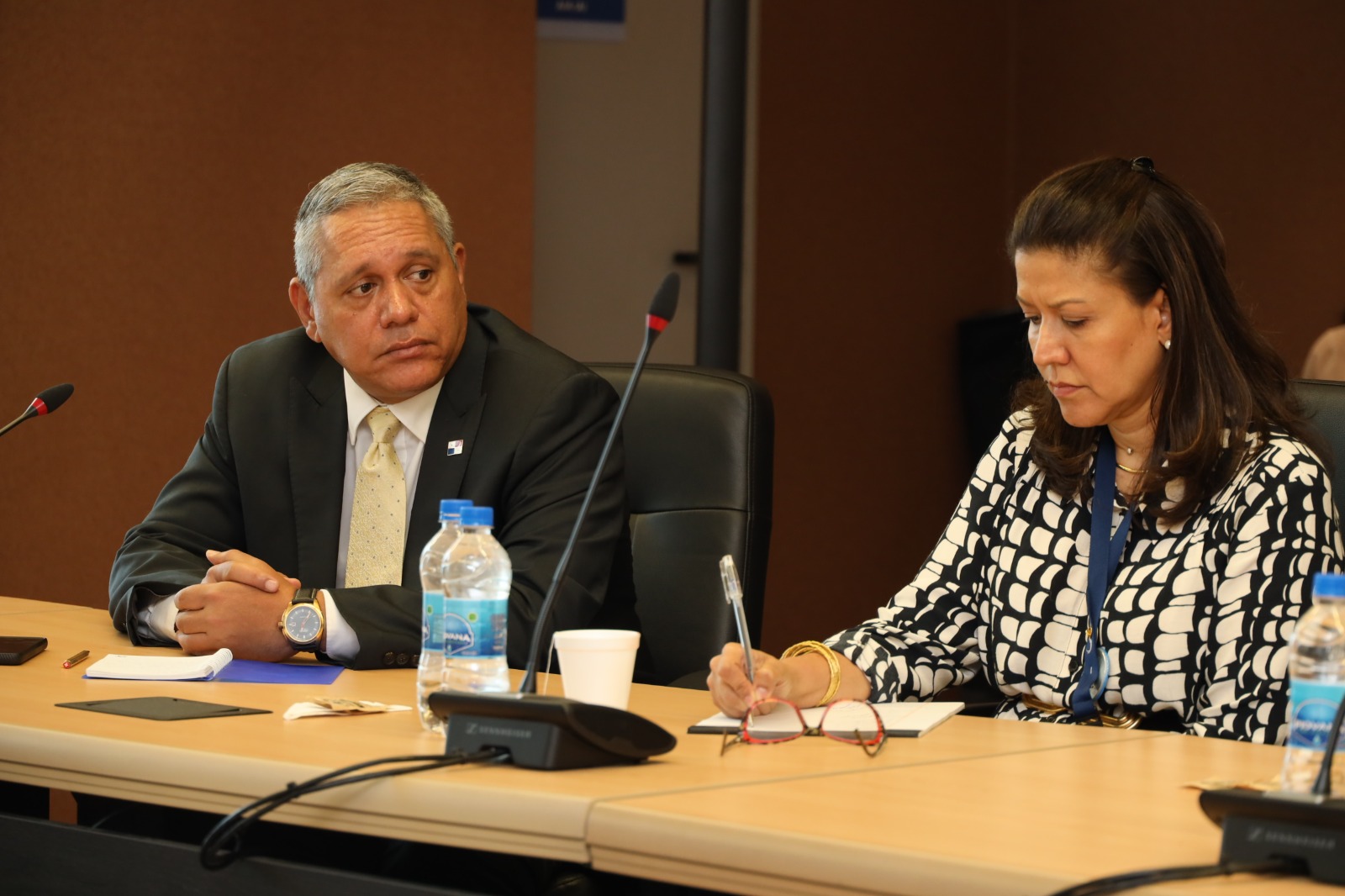
A Mexican government mission with Santiago Matos and Laura Beatriz Moreno, Director General of the Diplomatic History Acervo met with the Minister of Culture, Giselle González Villarrué to define the steps to be taken to find the remains of the Mexican procer Catarino Garza Rodriguez, who died in Panama in the 19th century.
According to research by Mexican historians and based on the book "Catarino Garza, Revolutionary or Bandido?" written by Andrés López Obrador, currently President of Mexico, this procer in search of revolutionary and free ideas went through different scenarios passing through the U.S., Cuba, Costa Rica and finally Panama, where, according to the means of the moment, they declared his death at a battle with local police at Colón Island in the province of Bocas del Toro, about 1895.
"The most important thing is to rescue Mexico's history. Panama and Mexico have always been close to social, political and community issues, with an excellent communication, so this support is a contribution not only to Mexico's history but also to Panama's research," said Santos Matos, an office manager at the Mexican Embassy in Panama.
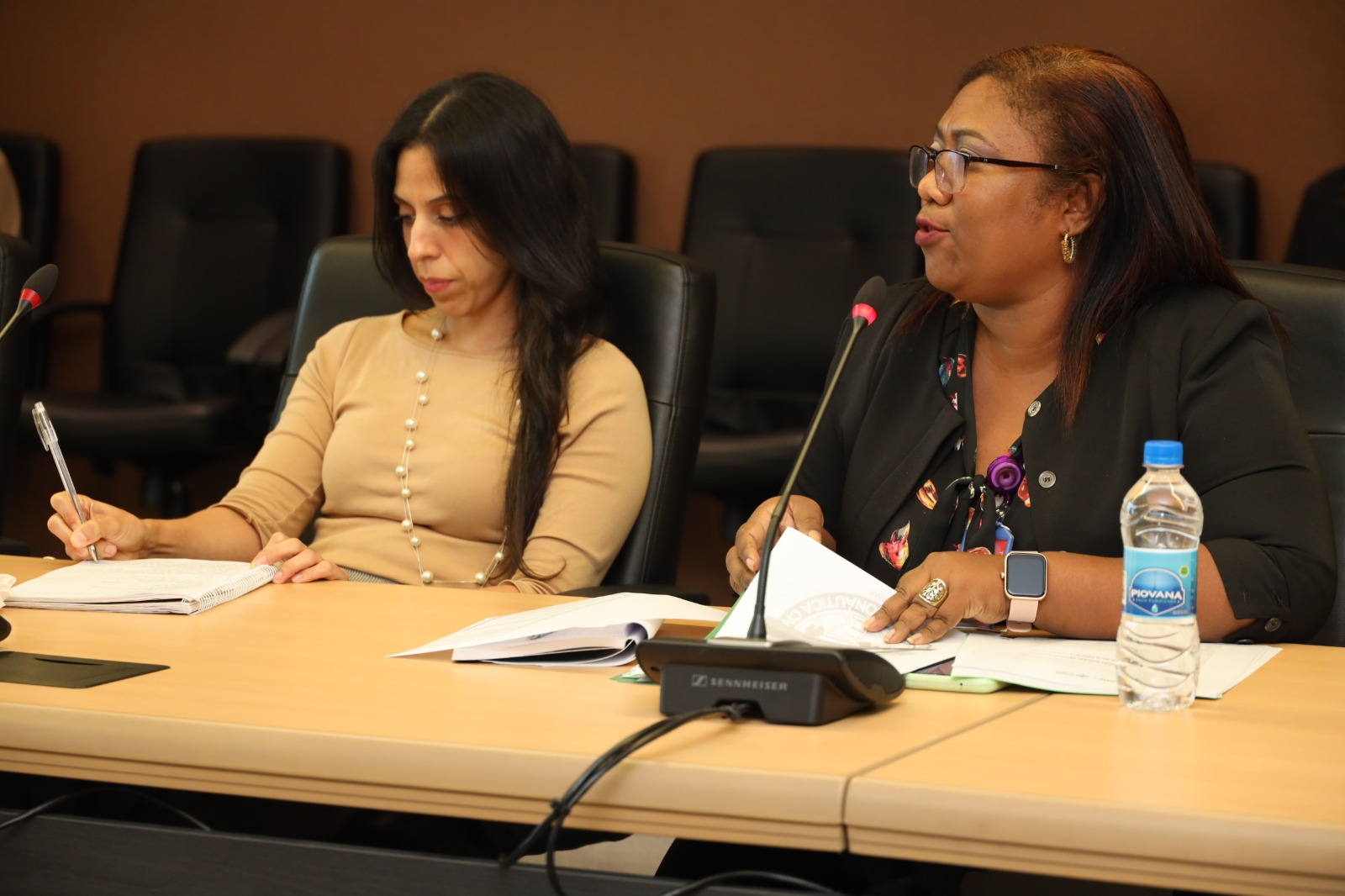
Roxana Pino, head of the Cultural Landscape and Extension department of the Cultural Heritage Section of the Ministry of Culture (MiCultura), who accompanied the Minister at this meeting, stated that "our responsibility is to support the request made by the embassy by providing inputs that they require, by cooperating with appropriate research and by trying to give with the grave where the remains of this leader who participated in the process of separation from Panama from Colombia can be found."
He outlined at the session the advances that have been made with regard to logistics to conduct field work and that involve other entities such as Civil Aeronautics, National Police and the Municipality of Bocas del Toro among others.
As part of this bilateral effort, Vladimir Franco Sousa, Vice-Chancellor, was also present and reiterated the contribution of the Ministry of Foreign Affairs (MIRE) so that all the institutions involved with this mission will work together as a gears of government equipment.
Giselle González Villarrué, for his part, reaffirmed his Government's commitment to achieve its agreed objectives and followed up with his actions with a view to bringing about his remains and that his honor can be achieved and his research has been united with the liberal activity that flowed in Latin America.